













Pixel Sundays: BioWare – The Rise and Fall of an RPG Legend

On Wednesday, October 21, 2026, the imminent closure of BioWare was confirmed. This legendary studio was active for over 31 years. Consequently, the development of the next Mass Effect game has been canceled, and it is highly likely that no future installments will be released—certainly not from BioWare. Many RPG fans are particularly saddened, as BioWare was regarded as one of the most influential role-playing game studios for decades.
Summary
- Baldur’s Gate and Neverwinter Nights – Where It All Began
- Star Wars and Jade Empire – BioWare Conquers New Worlds
- Mass Effect – The Pinnacle of BioWare’s Success
- Dragon Age – BioWare’s Great Fantasy Legacy
- Anthem – The Attempt to Create Something Entirely New
- The End of BioWare – Why Did the Studio Have to Close?
- Conclusion – BioWare’s Legacy Will Live On
Baldur’s Gate, Star Wars: Knights of the Old Republic, Mass Effect, and Dragon Age are among the studio’s most renowned games. These titles offer complex narratives, moral choices, and unforgettable companions. In many of these games, players could shape their own story rather than following a strictly linear plot.
Today, we discuss the history of BioWare from its beginnings to its closure. In doing so, we address all of the studio’s major achievements, as well as its trajectory over the past few years. The focus lies on the various franchises that BioWare developed over the last 31 years.
Baldur’s Gate and Neverwinter Nights – Where It All Began
BioWare was founded in February 1995 in Edmonton, Canada. The founders included three medical professionals: Ray Muzyka, Greg Zeschuk, and Augustine Yip. All three had originally studied medicine but decided to develop video games together.
Their initial capital amounted to around $100,000, which they used to develop their first game, Shattered Steel, in 1996. This game is relatively unknown today, but it is a mech action game. This clearly demonstrates that BioWare did not specialize in RPGs from the very beginning.
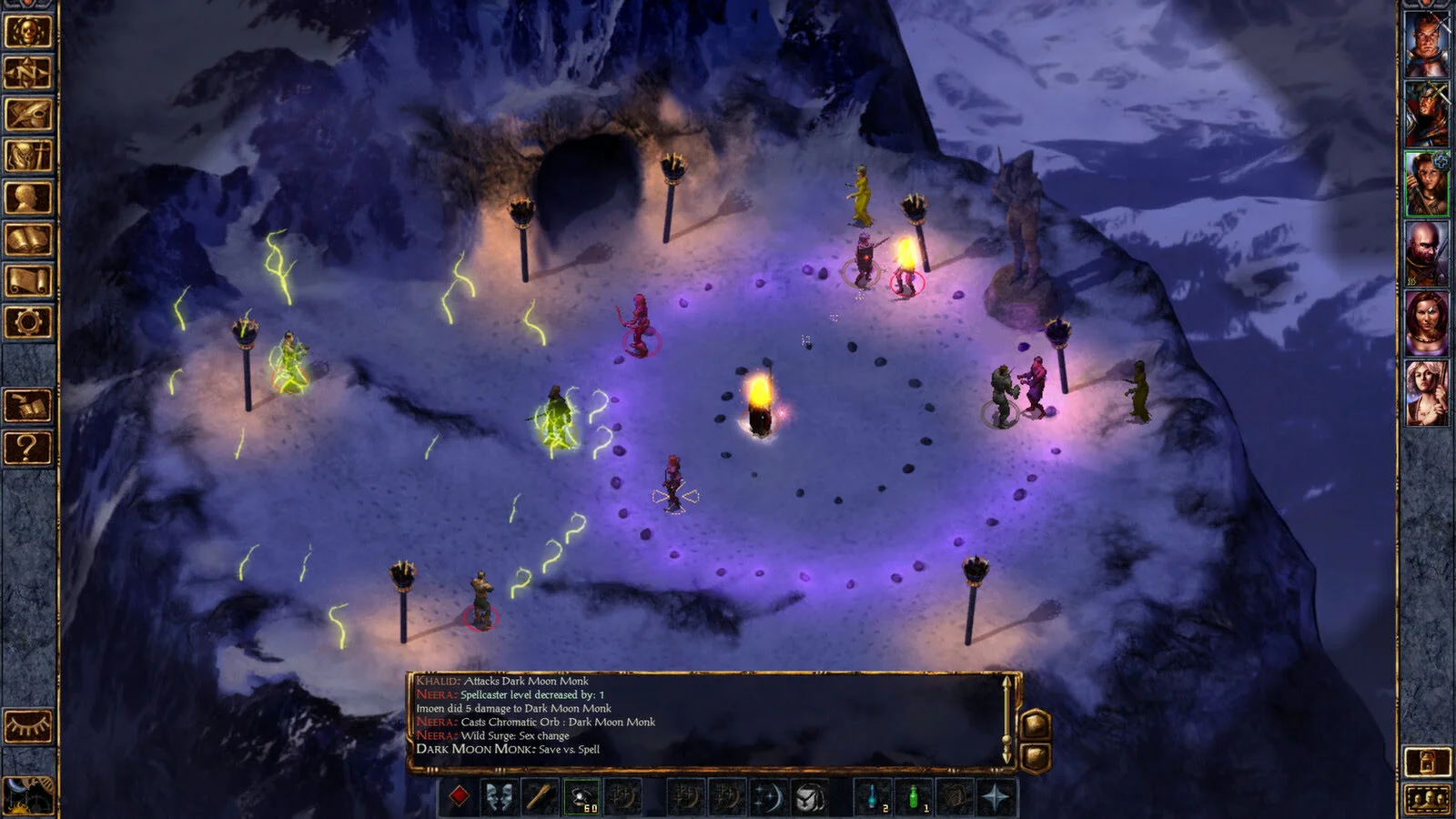
However, in 1998, BioWare achieved its major breakthrough with Baldur’s Gate. Baldur’s Gate was released for PC and published by Interplay. The game is based on the rules of the popular Advanced Dungeons & Dragons and is set in the Forgotten Realms. You follow the main character, who begins their journey on the Sword Coast. However, you quickly become entangled in political intrigue and are increasingly drawn into a larger threat.
Baldur’s Gate is played from an isometric perspective, and you control an entire party of diverse characters. Combat takes place in real time with a pause function, allowing you to issue tactical commands. In particular, the expansive game world, numerous dialogues, and a comprehensive storyline captivated RPG fans, turning Baldur’s Gate into one of the classic RPGs of the 1990s and even repopularizing PC RPGs.
Following this massive success, Baldur’s Gate II: Shadows of Amn was released in 2000. The second installment continued the story from the first game. The narrative is set partly in the city of Athkatla, providing a change of scenery.
In the second part, however, the companions were significantly more fleshed out, possessing their own personalities, conflicts, and sometimes even romances. In doing so, BioWare established a distinctive feature that would later become their hallmark: the emotional bond with NPCs. In 2001, the Throne of Bhaal expansion was released, concluding the original saga.
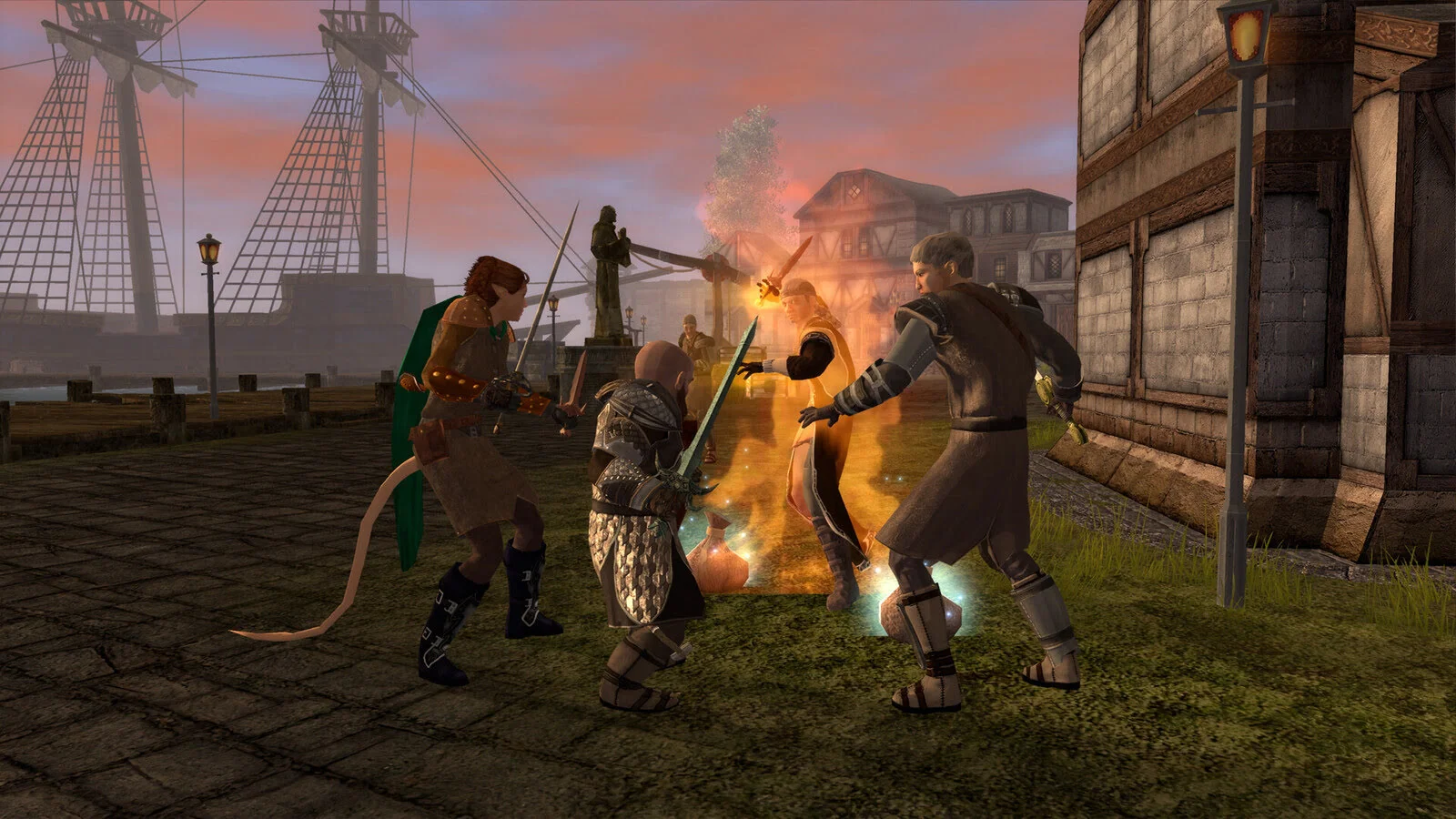
In 2002, BioWare released Neverwinter Nights, which is also based on Dungeons & Dragons. However, unlike Baldur’s Gate, the game is more heavily focused on your own hero. Particularly significant at the time was the Aurora Toolset, with which players could create their own adventures and even full campaigns.
Additionally, a multiplayer mode was introduced, in which one player could act as the Dungeon Master to influence the adventure of others. Thanks to the toolset and this mode, the game fostered a long-lasting modding community. The Aurora technology was later used for other role-playing games, including the first The Witcher by CD Projekt RED.
Star Wars and Jade Empire – BioWare Conquers New Worlds
BioWare also developed Star Wars: Knights of the Old Republic. This game is set approximately 4,000 years before the events of the Star Wars films, and the galaxy is engaged in a war between the Republic and the Sith. In the game, you create your own character, who is trained as a Jedi over the course of the story.
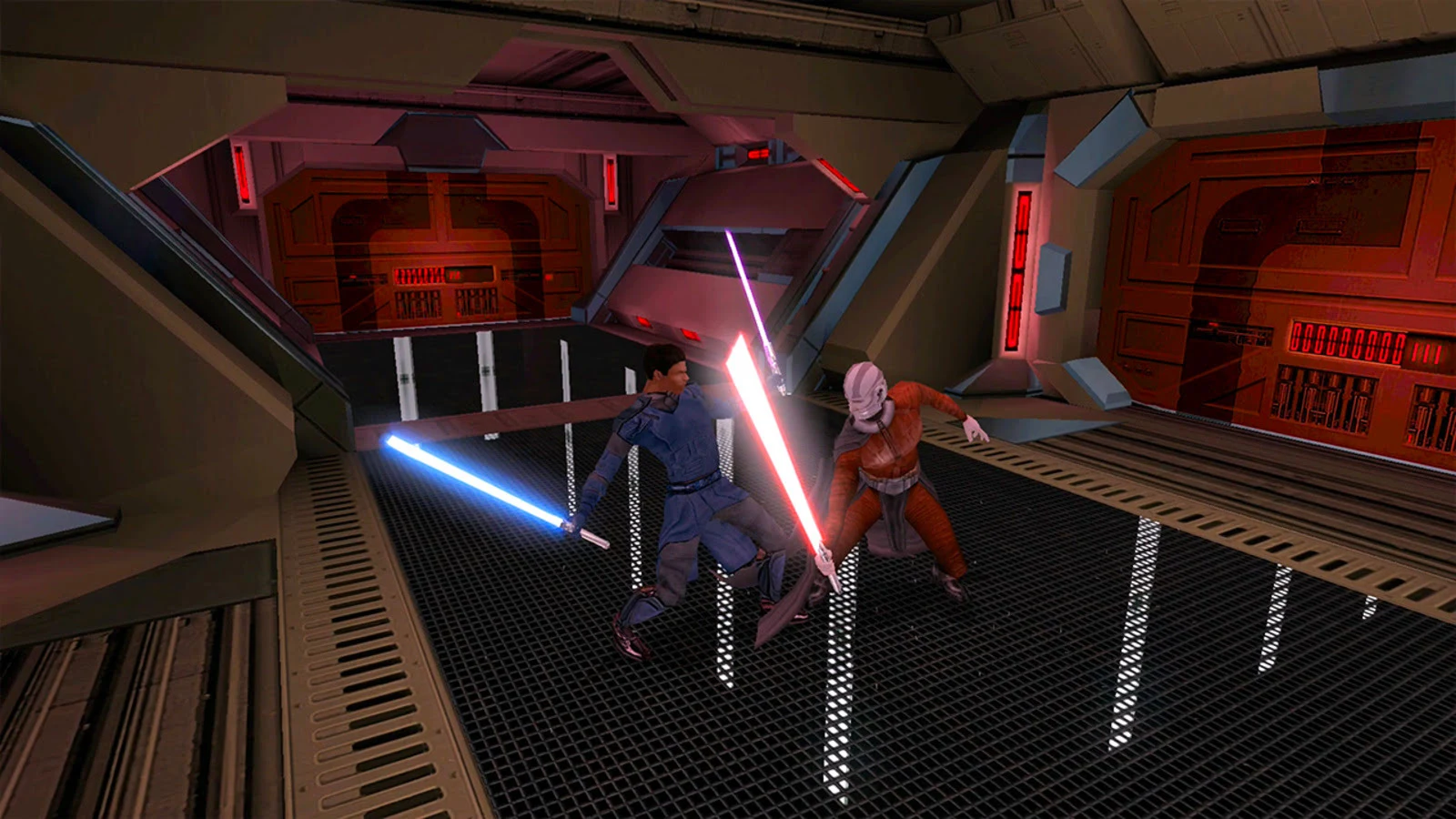
The narrative centers around the threat posed by Darth Malak and the mysterious Darth Revan. Knights of the Old Republic is celebrated to this day for its storyline, complete with a major plot twist. The combat relies on a turn-based ruleset, even though it is presented in real time.
The game features a morality system balancing the light and dark sides of the Force. Your decisions influence your character’s behavior and also alter specific events and the game’s ending. Companions like Bastila Shan, Carth Onasi, and HK-47 became beloved figures. The game won numerous awards and definitively established BioWare as a premier RPG developer.
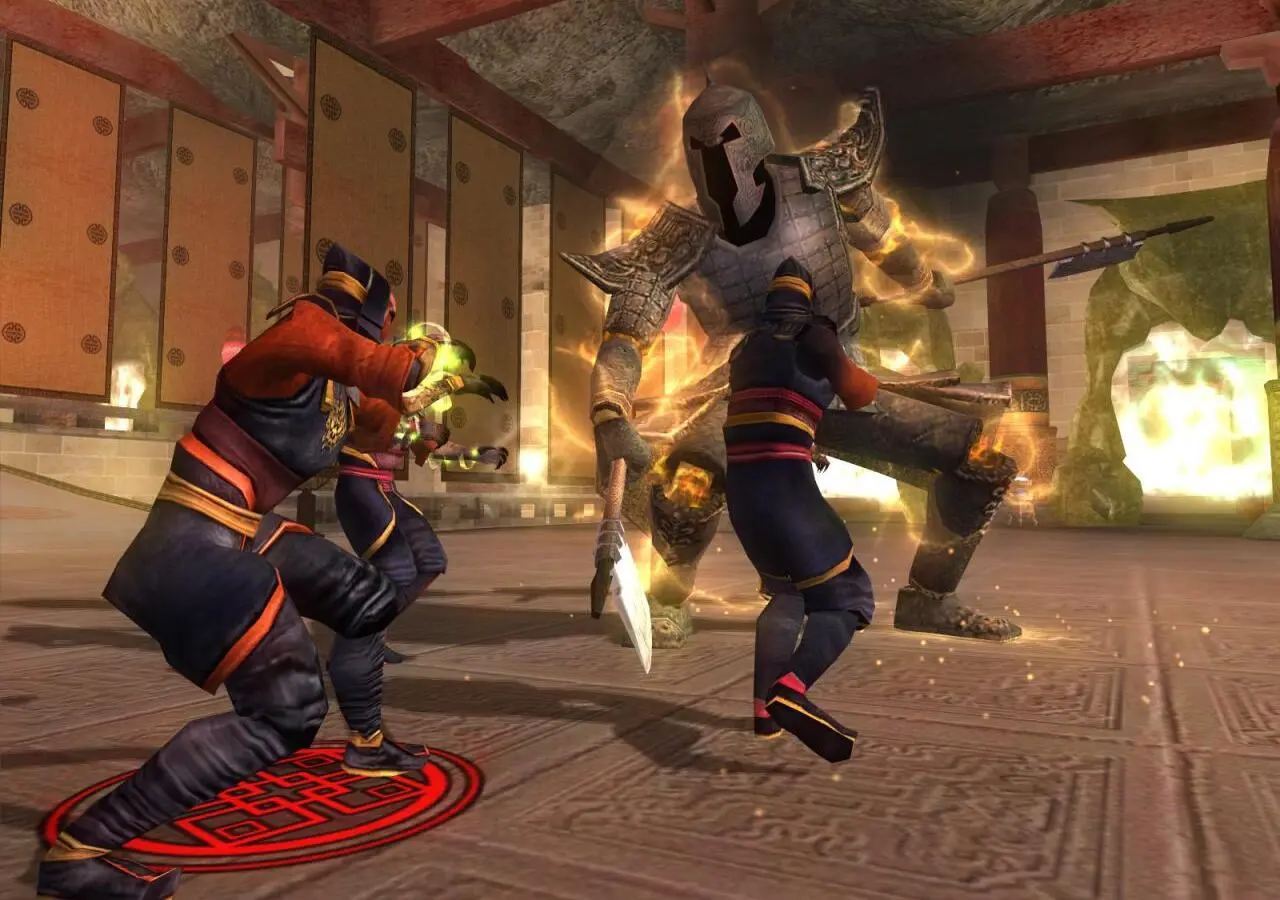
Jade Empire was released in 2005 for the Xbox, followed by a PC version in 2007. For this game, BioWare created its own fantasy world inspired by Chinese mythology and martial arts. This means that instead of swords and blasters, there are martial arts battles and magical abilities.
You begin as a student at a martial arts school and become embroiled in a broader political and supernatural conflict. It is now your task to resolve this conflict. Choices were guided by the philosophies of the Open Palm and the Closed Fist. In Jade Empire, BioWare experimented more with direct action than in earlier BioWare RPGs. The reviews were positive; nevertheless, a sequel was never produced.
In 2011, BioWare returned to the Star Wars universe with Star Wars: The Old Republic. The game is an MMORPG set roughly 300 years after Knights of the Old Republic. You can choose from multiple classes and factions in the game, such as Jedi, Sith, Bounty Hunter, and more, each with its own story. These fully voiced class storylines were highly unusual, especially for MMORPGs.
Regarding companions and dialogue choices, the game is strongly reminiscent of classic BioWare titles. In 2012, the MMO transitioned to a free-to-play model. Since 2023, Broadsword Online Games has taken over the continued development of the game. Consequently, The Old Republic is independent of the BioWare closure, which we will discuss in detail later.
Mass Effect – The Pinnacle of BioWare’s Success
The first Mass Effect was initially released in 2007 for the Xbox 360. For this game, BioWare developed its own expansive science-fiction universe for the first time. At the center of the story is Commander Shepard; every player can determine the Commander’s gender and appearance.
The plot revolves around the rogue Spectre Saren and the threat of the Reapers. The Reapers are an ancient race of machines that periodically eradicate highly advanced civilizations. Mass Effect combined third-person shooter elements with classic RPG mechanics.
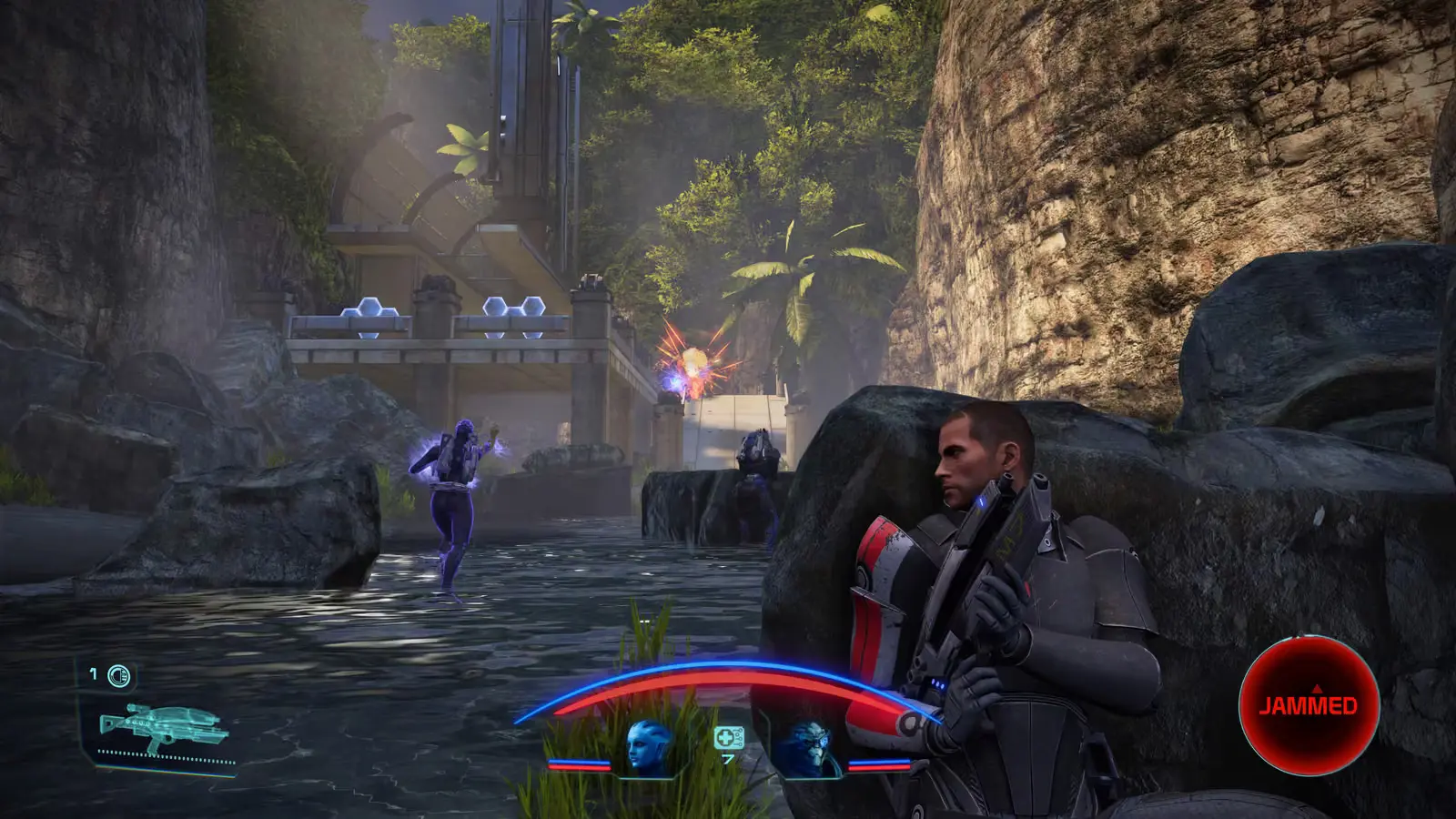
During conversations, there is a dialogue wheel through which you can determine Shepard’s responses. Every decision could have a different moral outcome. The game world features various extraterrestrial species such as the Asari, Turians, Krogan, and Quarians.
Aboard your ship, the Normandy, you explore the galaxy and recruit new team members. The relationships between Shepard and the companions were particularly popular. You could even enter into romantic relationships with some of the characters.
Mass Effect 2 was released in 2010; it reduced some of the traditional RPG elements to focus more heavily on action and cover-based combat. The story centers on the mysterious Collectors and the disappearance of human colonists. To accomplish an almost impossible mission, Shepard must recruit a team of specialists.
Each companion received a dedicated loyalty mission that explored their personal conflicts and backstories. The finale, known as the Suicide Mission, could result in the death of various team members depending on preparation and choices, making it a highly emotional experience. This created a strong sense of engagement, as your own decisions had real consequences.
Mass Effect 3 concluded the original Shepard trilogy and was released in 2012. In the game, the Reapers attack Earth and large parts of the galaxy. Shepard must now unite various races to eliminate this intergalactic threat. Many decisions from the predecessor can have an impact through the importation of old save files.

The original ending, however, drew significant criticism, as numerous players felt the consequences of their decisions were inadequate. For this reason, BioWare released the free Extended Cut in June 2012, which included additional scenes and expanded epilogues.
The final Mass Effect game is Andromeda from 2017. The story is set in the Andromeda galaxy, and instead of Shepard, you now follow Ryder. The game’s focus also shifted; you now explore various planets and expansive game areas.
In 2021, the Mass Effect Legendary Edition was released, serving as a remastered version of the original trilogy. However, after that, the future of the series stalled somewhat. A new Mass Effect game had been in development since 2020, but even after six years, it remained in an early stage of development. This project was canceled on October 21, 2026, as part of the closure of BioWare.
Dragon Age – BioWare’s Great Fantasy Legacy
In 2009, BioWare released Dragon Age: Origins for PC, PS3, and Xbox 360. With Dragon Age, BioWare created its own fantasy universe apart from Dungeons & Dragons. The storyline sends you into the kingdom of Ferelden, which is threatened by the so-called Blight. The city is attacked by the Darkspawn, led by a powerful Archdemon.
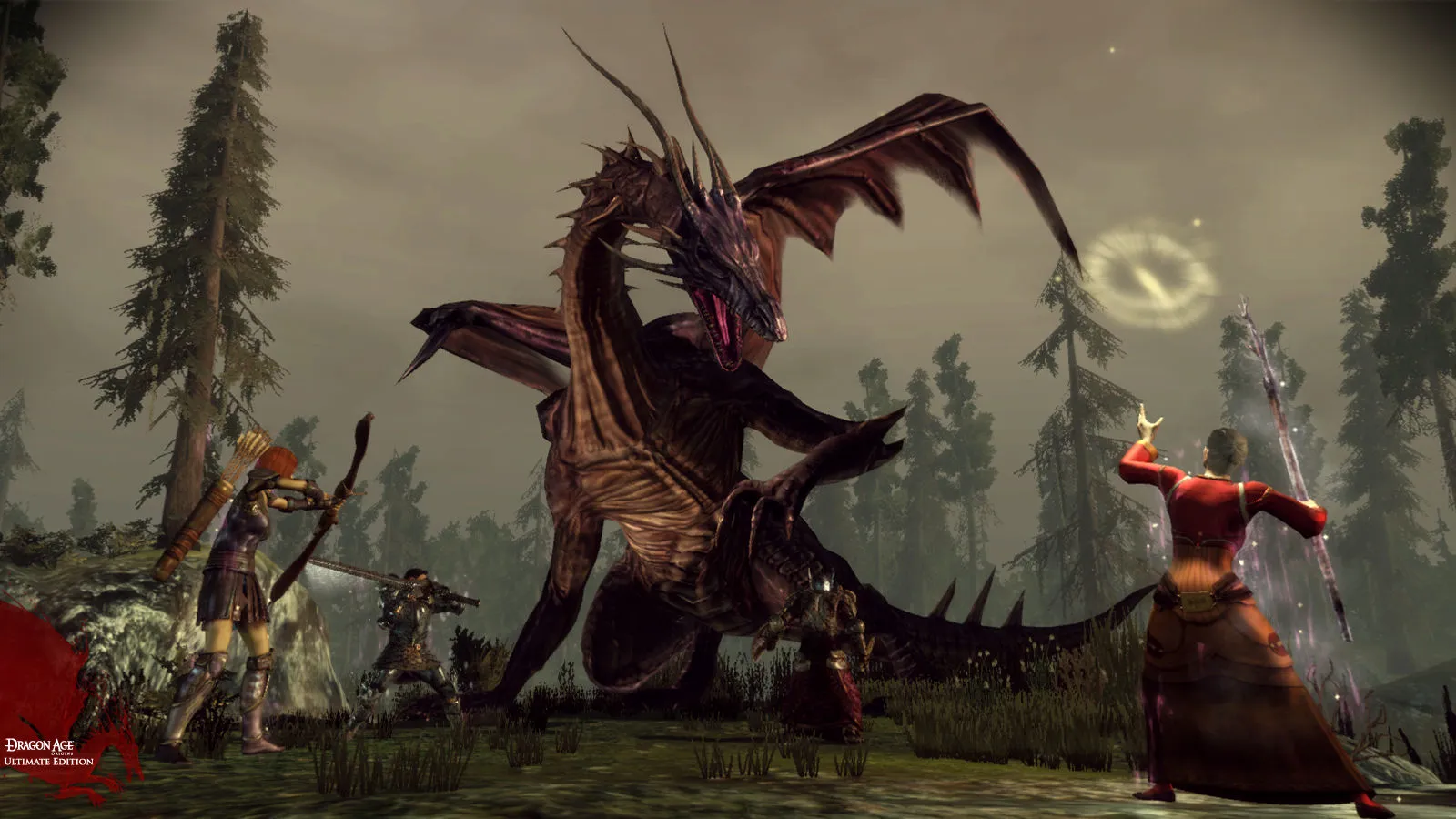
You step into the role of a Grey Warden who, alongside allies, must stop this threat. Depending on the class you select, you experience a completely different origin story. Thus, each class begins their adventure differently. The combat system was highly tactical; on the PC, an overhead perspective was also available for planning.
Dragon Age II was released as early as March 2011, about a year and a half after Origins. Instead of a custom-named hero, you take on the role of Hawke, a human refugee. The story spans several years and primarily takes place in the city of Kirkwall. The focus was on political tensions and the conflict between mages and templars.
The combat system in this game is more action-oriented than in its predecessor. Criticism was mainly directed at the frequent recycling of environments and a significantly smaller game world.
Dragon Age: Inquisition marked the peak of the series and was released in 2014. This time, you take on the role of an Inquisitor leading a powerful organization to save Thedas. Demons enter the world through a magical breach. The world is once again significantly larger and offers many freely explorable areas.
For Inquisition, BioWare utilized EA’s Frostbite Engine for the first time, combining action-oriented combat elements with a tactical camera. Building relationships with companions is a crucial component of the game. Dragon Age: Inquisition won Game of the Year at the 2014 Game Awards. With this, BioWare achieved another major success following the controversy surrounding Mass Effect 3 and the mixed reception of Dragon Age II.
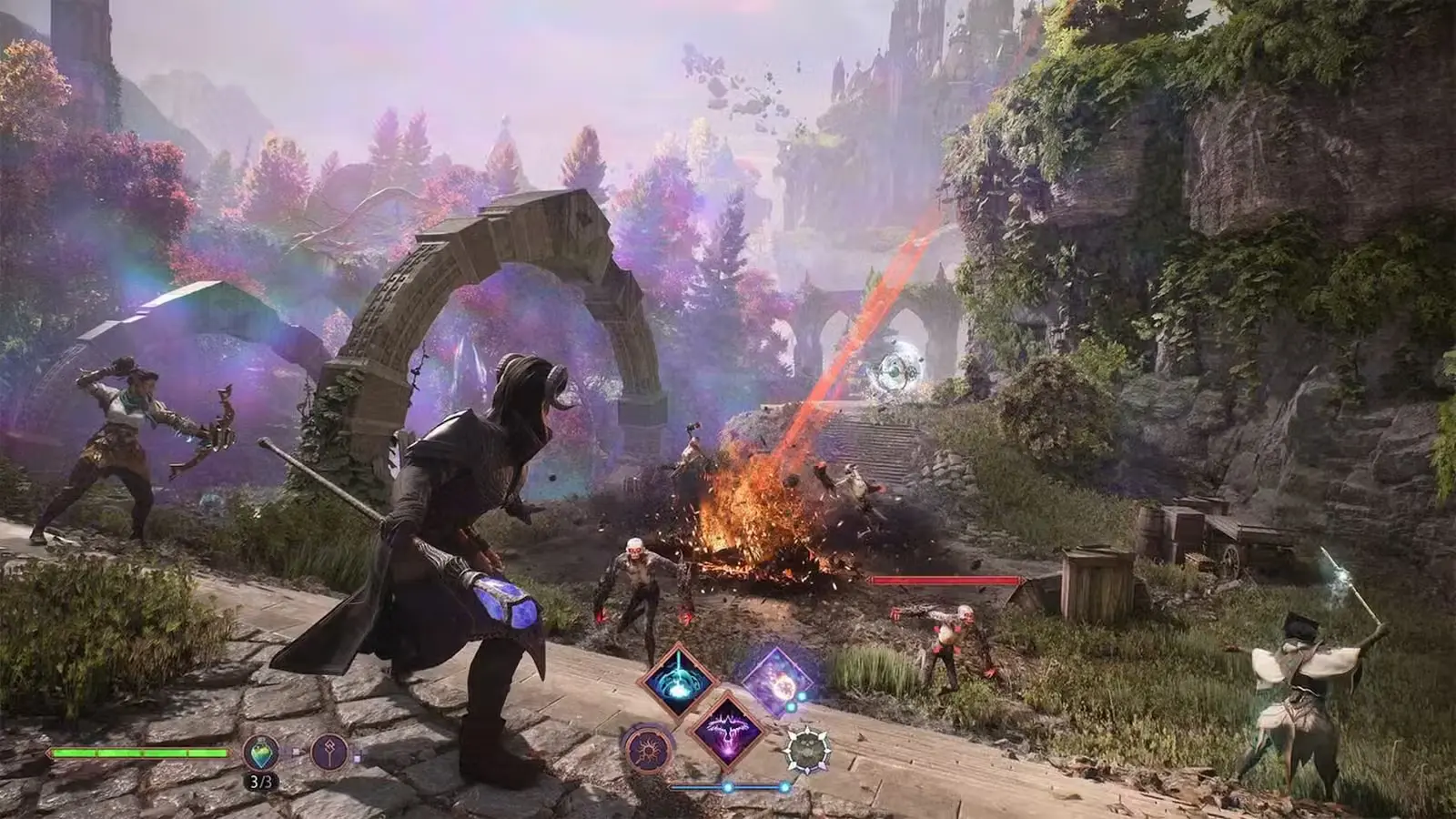
Dragon Age: The Veilguard arrived on October 31, 2024, after nearly ten years of waiting. Here, you assume the role of Rook, who must assemble a team to stop a new threat to Thedas. Two ancient elven gods and the consequences of the events from Inquisition play a central role. Furthermore, the game introduces 7 new companions to fill out your party.
Combat is even more action-packed due to the new system. While the game received positive reviews, it remains highly controversial within the community, as the tone and dialogues have changed significantly. Additionally, the former RPG mechanics were increasingly pushed into the background or even disappeared entirely. Nevertheless, the game reached approximately 1.5 million players in January 2025. However, this was about 50% less than expected.
Anthem – The Attempt to Create Something Entirely New
Anthem was announced at E3 in 2017 and released on February 22, 2019. With this game, BioWare aimed to deliver a completely different gaming experience. Instead of a classic single-player RPG, Anthem was an online action shooter with cooperative gameplay.
You take on the role of a Freelancer and fight using powerful exoskeletons called Javelins. The game featured four distinct Javelin classes: Ranger, Colossus, Interceptor, and Storm. With these suits, you could even fly through the expansive game world. Various missions could be completed together with other players.
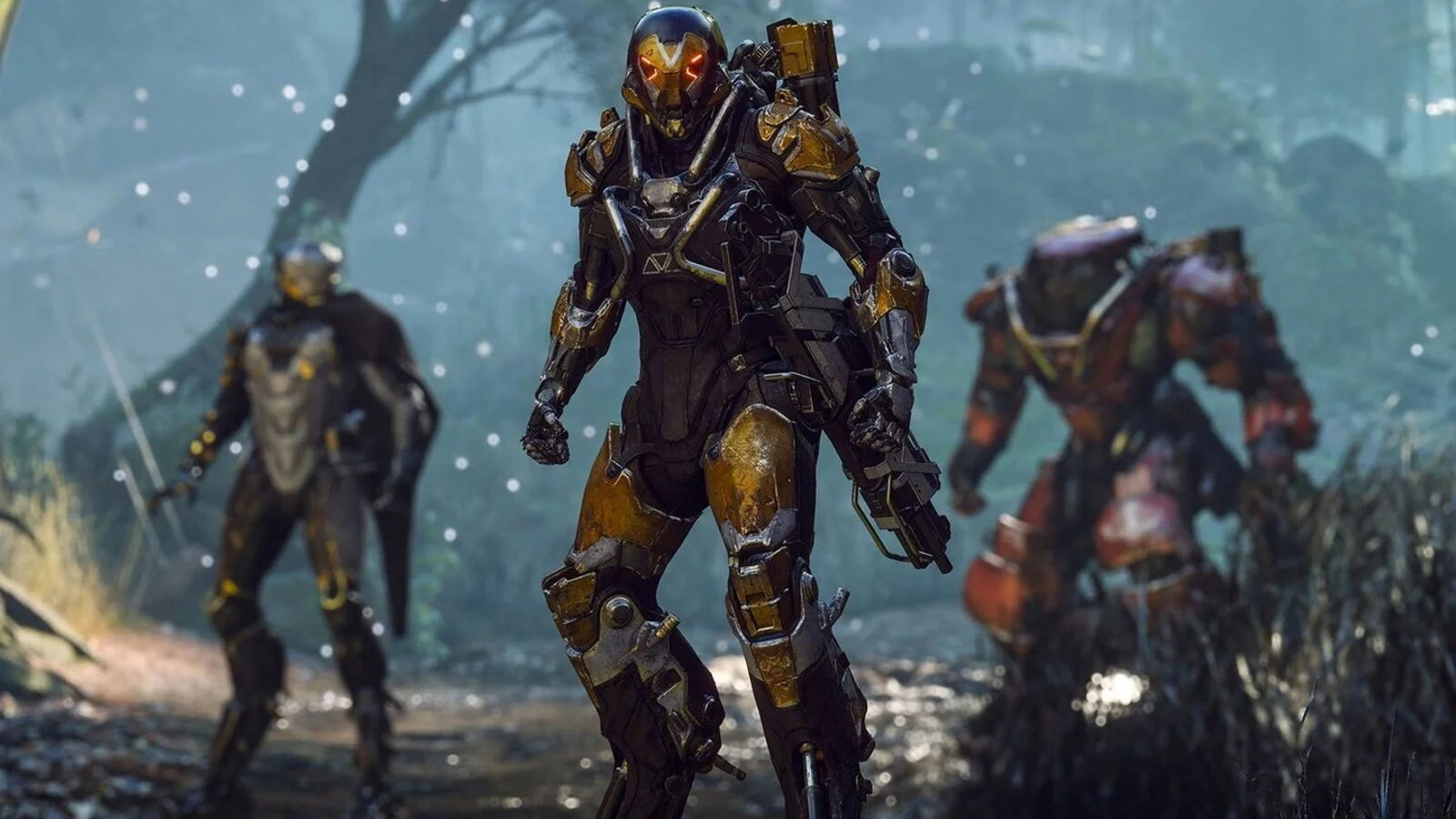
The flight system and the fundamentally appealing game world were praised by many players. However, the highly repetitive missions and the loot system were received much more poorly. The endgame, in particular, lacked sufficient content for a live-service title.
Furthermore, there were technical issues such as long loading times and various bugs. The story and character development also felt less comprehensive than in previous BioWare RPGs. Ultimately, Anthem was a stark departure from what was customary for BioWare titles, and consequently, player numbers and long-term interest fell short of expectations.
Following the disappointing launch, BioWare attempted to improve Anthem through updates. At the end of 2019, work even began on a fundamental overhaul. However, in February 2021, BioWare announced that development on Anthem had been canceled.
The studio decided to focus its resources on Mass Effect and Dragon Age. The servers remained online for several years thereafter, until they were permanently shut down on January 12, 2026. Because there was no offline mode, the game has been unplayable ever since.
The End of BioWare – Why Did the Studio Have to Close?
In October 2007, Electronic Arts announced the acquisition of VG Holding, which included BioWare and Pandemic Studios. The purchase was finalized on January 4, 2008. Through this acquisition, BioWare gained access to the financial and technical resources of one of the industry’s largest publishers.

During its early years under EA, the studio continued to release many highly successful games, including Mass Effect 2, Dragon Age: Origins, and Dragon Age: Inquisition. The acquisition itself was therefore not the reason for the end of the studio’s creative success. In the long run, however, BioWare increasingly came under pressure due to rising development costs, restructuring, and underperforming titles.
With Mass Effect: Andromeda and Anthem, BioWare released two games that failed to meet the high expectations of many fans. BioWare Montreal, which was primarily responsible for Andromeda, was merged with EA Motive as early as 2017. Over the years, many experienced developers and executives left the company.
Even the original founders, Ray Muzyka and Greg Zeschuk, had already departed BioWare in 2012. Dragon Age: The Veilguard went through a long and frequently altered development cycle. At one point, Dragon Age even featured a live-service concept, which was later shifted back to a single-player RPG focus.
The disappointing commercial figures for Veilguard led to further changes and staff reductions in 2025. Consequently, BioWare became increasingly smaller, even though a major project was still planned with Mass Effect.
On October 21, 2026, Electronic Arts then announced that BioWare would be closed. Simultaneously, the corporation announced a comprehensive restructuring resulting in the elimination of roughly 400 jobs at EA, including around 50 at BioWare.

BioWare itself published a farewell statement on its official website. In it, the studio reflected on more than 30 years of development history and its most renowned franchises. At the same time, it was confirmed that early development of the next Mass Effect has been canceled. Thus, no final major project will be released by this legendary studio.
The closure of the studio does not automatically mean that Mass Effect and Dragon Age have been permanently discontinued as brands. The rights remain with EA, meaning other studios could potentially develop new games in the future. However, active development within any of the franchises has not yet been confirmed.
Conclusion – BioWare’s Legacy Will Live On
After more than 31 years, the story of one of the gaming industry’s most influential role-playing studios comes to an end. BioWare captivated generations of players with titles like Baldur’s Gate, Star Wars: Knights of the Old Republic, Mass Effect, and Dragon Age. Their deep narratives, moral choices, and unforgettable companions made the games truly special. Today, many of these elements are considered indispensable in modern RPGs.
However, BioWare’s final years were marked by numerous issues. With Mass Effect: Andromeda and Anthem, the studio could no longer match its earlier successes. Dragon Age: The Veilguard also fell short of financial expectations. Coupled with frequent restructuring and the loss of veteran developers, the closure is undeniably sad, yet not entirely surprising.
Nevertheless, BioWare will retain a permanent place in gaming history. The Mass Effect and Dragon Age brands may one day be continued by other studios. Whether they will ever be able to capture the essence of the original BioWare games remains to be seen. What is certain, however, is that the studio’s stories and characters will be remembered for a long time to come.
Hey, I’m Kilian, but online you’ll probably know me as “Tux1243.” I've been part of the team for almost two years now, always trying to keep you in the loop with the latest and coolest gaming news. I also have a huge passion for doing deep dives and detailed analyses of entire game series and franchises. I love getting to the bottom of things and exploring the little details and backstories that make game worlds so fascinating.
Download the Allkeyshop Browser Extension Free
For all the latest video game news, trailers, and best deals, make sure to bookmark us.
You can find all the best and cheapest online deals on CD keys, game codes, gift cards, and antivirus software from the verified CD key sellers on our store pages.
To not miss any news on Allkeyshop, subscribe on
Google News
.
MORE RELEVANT ARTICLES


Comments (0)