












Pixel Sundays: PUBG – From Battle Royale King to Global Shooter Brand

Today we travel back to 2017, the year PUBG: Battlegrounds redefined multiplayer gaming. Without PUBG, titles like Fortnite might not have even existed, because PUBG made Battle Royale a mass phenomenon. The game managed to reach millions of concurrent players on Steam, achieving all of this with pure realism instead of an arcade feeling.
Summary
- The early phase – How PUBG defined the Battle Royale
- PUBG in E-Sports – Tactics, million-dollar prizes, and viewer hurdles
- PUBG Mobile – The true economic giant
- Black Budget – PUBG meets extraction shooter
- Blindspot and the PUBG Universe – The brand grows
- PUBG 2026 – From hype to strategic maturity
- Conclusion – From Battle Royale pioneer to versatile shooter brand
Today, PUBG is much more than just a simple PC game. It offers e-sports, mobile versions, and new genre spin-offs, making it far more than the small game from 2017. Although the PC hype slowly faded over time, the mobile version exploded, especially in the Asian market. Now, PUBG is stepping up with new projects like Black Budget, showcasing its strategic realignment. Is PUBG still relevant, or is it long history?
The early phase – How PUBG defined the Battle Royale
Early Access for PUBG started in March 2017. Back then, the game wasn’t Free to Play; it required a one-time purchase. It wasn’t until 2022 that the switch to Free to Play occurred. The idea came from Brendan Greene, who created the Battle Royale mod for Arma 2 in 2011. He later had the idea to turn it into its own standalone game, which became PUBG. The first and still most iconic map today is Erangel, featuring a military setting. Back then, 100 players jumped out of a plane with no respawns, generating maximum tension. From the very beginning, the game offered realistic weapon physics and bullet drop, all without a skill system or super abilities—pure realism.
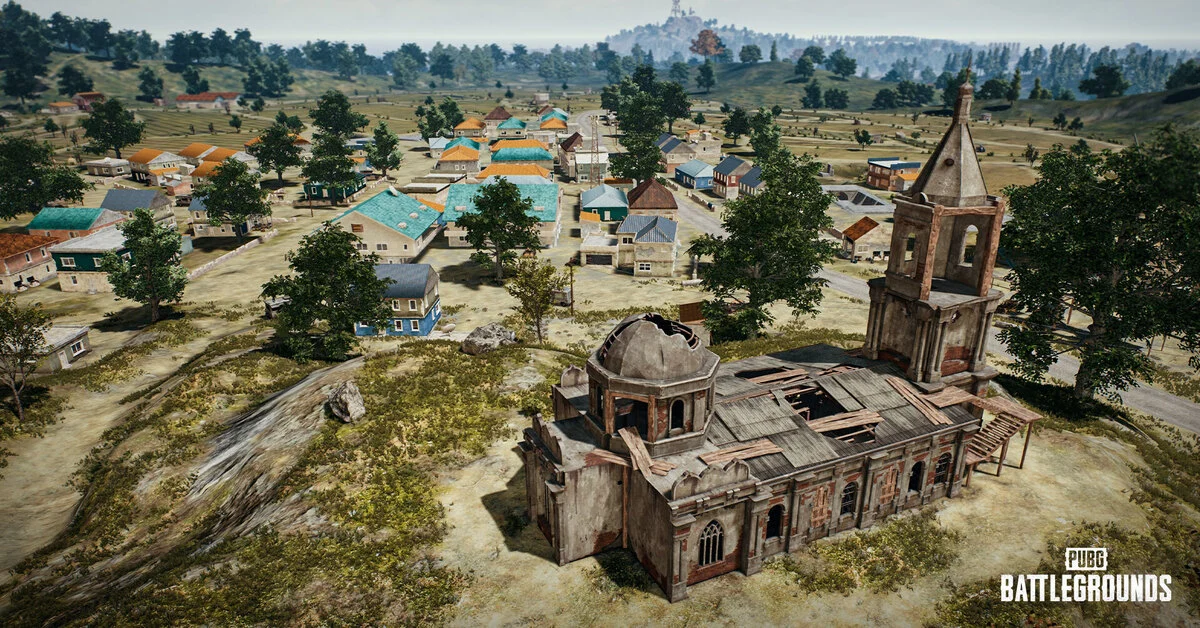
Since there are no special abilities, tactics, positioning, and map knowledge are the decisive factors in the game. PUBG’s loot system with random spawns became the genre standard and is impossible to imagine the genre without it today. The constantly shrinking zone creates permanent pressure and forces players to move, guaranteeing they will encounter new players. On January 13, 2018, all records were broken as PUBG reached the highest concurrent player count ever on Steam with 3.2 million simultaneous players. During this time, the massive influx even caused server issues, a testament to its incredible success.
The game was also heavily watched on Twitch, becoming a streaming phenomenon. Later on, other games like Fortnite, Warzone, and Apex took inspiration from PUBG. However, the game’s hardcore nature appealed heavily to core gamers, using military realism as its unique selling point. Despite bugs and technical issues, the game was extremely successful. It was less polished, but incredibly unique, laying the foundation for the modern Battle Royale genre.
PUBG in E-Sports – Tactics, million-dollar prizes, and viewer hurdles
Shortly after PUBG’s extreme success, international leagues were established. The game built prestigious championships with prize pools in the millions. It was less popular in Europe, but massively successful in South Korea and China, which is why the events were consistently held there. The 100 total players create a chaotic dynamic. The events primarily revolved around strategic rotations and, of course, excellent aim. Furthermore, the zone movement always created a random factor with huge risks, but also massive rewards. The further the game progressed, the more intense everything became. However, for casual viewers, this e-sports league was difficult to follow, as there were often long periods of downtime between firefights.
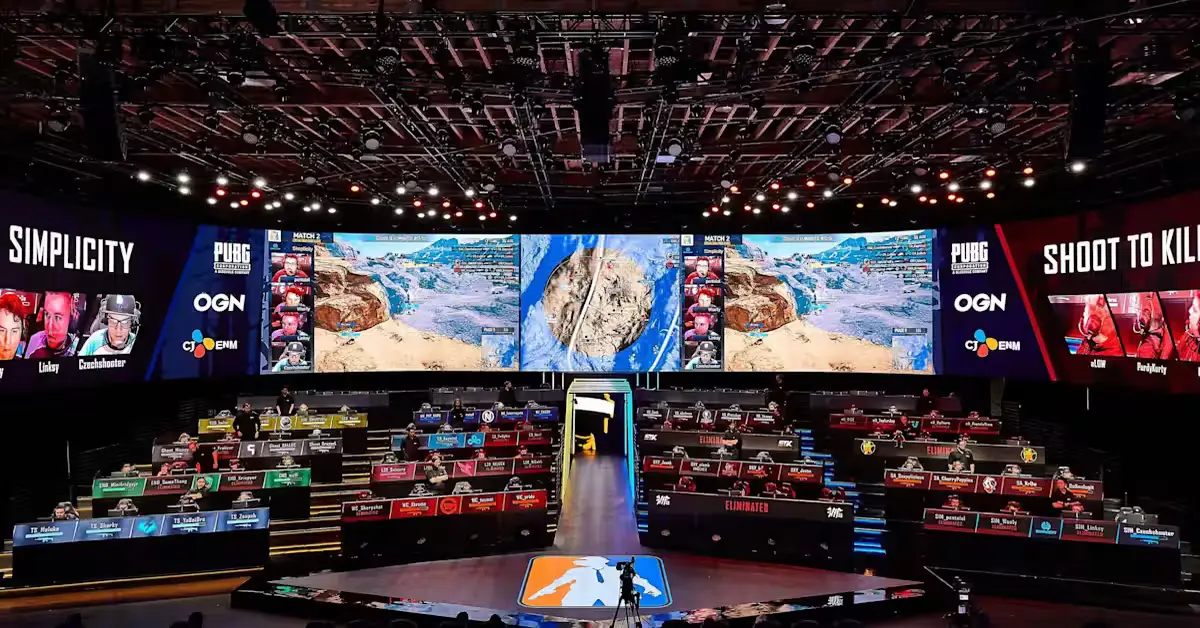
Casters watch the games from a top-down view, making the perspective complicated. PUBG is less visually spectacular to watch than fast-paced arena shooters like Valorant or CS. Yet, a stable community exists, even if it never became entirely mainstream. Tactically, PUBG e-sports is one of the most demanding and remains especially popular in the Asian region.
PUBG Mobile – The true economic giant
PUBG Mobile was released in 2018 for iOS and Android. It is a technically impressive port of the game for smartphones. Many optimizations were made to ensure it runs across a wide range of performance levels. The download numbers are extremely high, with particularly massive success in India and Southeast Asia. Today, mobile is also the primary revenue source for the franchise, as many players are more willing to spend money on their smartphones than on PC. Combined with skins and Battle Passes on both mobile and PC, billions in revenue are generated. The new Free to Play system fits perfectly for a mobile game. Matches are significantly shorter than on PC, making it the perfect game to play on the go.
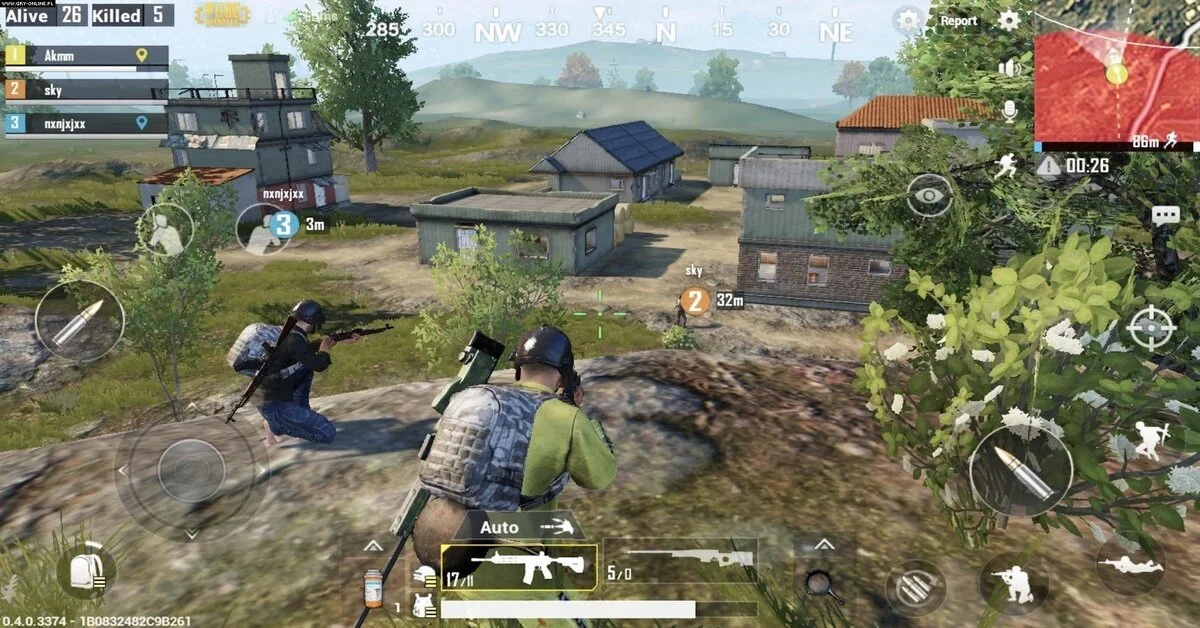
Additionally, PUBG Mobile offers exclusive content, collaborations, and events that don’t exist on PC. There is also a massive e-sports scene for PUBG Mobile with enormous prize pools. Once again, the massive viewership comes from the Asian region. As a result, Mobile is economically stronger than the PC version. While the game is designed to be much more casual, a competitive aspect remains. Without Mobile, PUBG would be significantly smaller today, and it lays the foundation for future PUBG projects.
Black Budget – PUBG meets extraction shooter
One of these new projects is PUBG Black Budget, an extraction shooter currently in development. The game is comparable to Escape from Tarkov, where you permanently lose your loot if you die during a deployment. The game offers more survival elements and an economic system to provide long-term motivation. Black Budget brings a darker atmosphere with fewer mass battles and more targeted, intense skirmishes. The tension rises due to the increased risk and realistic damage. Here, progression is more important than individual rounds, reflecting the trend toward hardcore shooters that have surged in popularity since Tarkov.
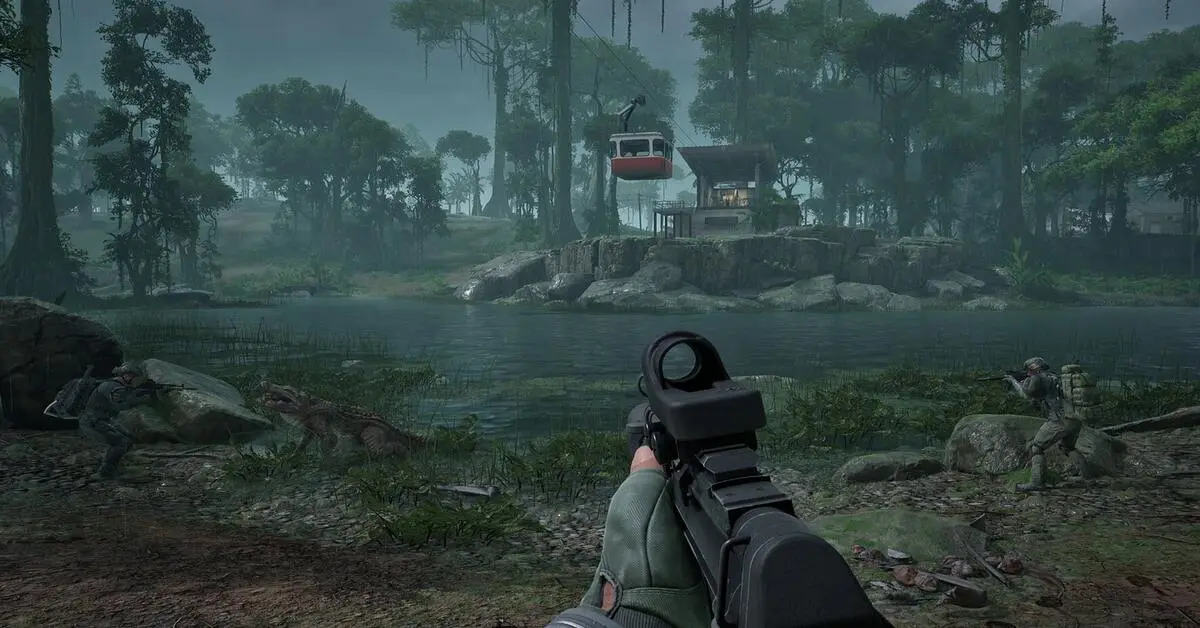
Alongside the Battle Royale, PUBG wants to establish another market that appeals to a different target audience. However, with Arc Raiders and Tarkov, there is strong competition in the field that PUBG must first prove itself against. They are following a trend that carries a high level of risk. The PUBG brand aims to become future-proof and achieve a strategic realignment. As of now, there is no official release date for Black Budget.
Blindspot and the PUBG Universe – The brand grows
Besides Black Budget, a PUBG studio is working on the tactical shooter spin-off, Blindspot. This is a tactical shooter that, unlike competitors such as CS or Valorant, is played from a top-down perspective. The game has a squad-based focus featuring entirely new gameplay within the same IP, acting as both an expansion and a promotional tool. PUBG wants to continuously expand and create a long-term vision with deeper lore and world-building. It is moving further away from just Battle Royale and attempting to tackle the mainstream market. PUBG is acting more as a holistic brand rather than just a single game, branching out while avoiding isolated risks. They are constantly trying to reach new target audiences without neglecting their legacy games.

PUBG 2026 – From hype to strategic maturity
Since 2022, PUBG has been a Free to Play title, meaning anyone can test it out. The player base is smaller now, but remains highly stable with over 2 million unique players every day. Regular updates bring new Free to Play content, maps, and skins. This is accompanied by ongoing balancing adjustments. The game faces fierce competition from Warzone, Apex, and Fortnite, yet they have stood strong and haven’t sunk after more than 8 years. However, the general trend in gaming is moving away from classic Battle Royale titles. PUBG is following this shift by developing games in currently trending genres. PUBG is no longer the trendsetter, but they are determined to stay relevant.
Even after more than 8 years, the game has a solid and highly active community. Through PUBG Mobile, the franchise has built a massive financial backbone. E-sports events are stable, though not dominant, but the new projects serve as a heavy bet on the future. PUBG needs and wants to reinvent itself, leveraging the hype surrounding the brand to do so. Today, they are perhaps less viral, but far more strategic and future-oriented. PUBG isn’t dying; it is transforming, and its future heavily depends on Black Budget and other upcoming titles.

Conclusion – From Battle Royale pioneer to versatile shooter brand
PUBG didn’t just popularize the Battle Royale genre; it catapulted it into the mainstream in the first place. In 2017, it was the game that gathered millions of concurrent players on Steam and, with its uncompromising realism, set a clear counterpoint to arcade shooters. Even if the massive PC hype has cooled off since then, its influence on titles like Fortnite, Warzone, or Apex remains undeniable.
Today, PUBG no longer just stands for a map with 100 players, but for an entire universe. With PUBG Mobile as its economic foundation, stable e-sports structures in the Asian market, and new projects like Black Budget or Blindspot, the franchise is pursuing a clear strategic realignment. PUBG is no longer a trendsetter, but it’s far from just a footnote in gaming history. Instead, the brand is undergoing a major transformation: away from being a pure hype phenomenon, and toward a long-term, multi-pillared shooter IP.

The question is therefore no longer whether PUBG is relevant—but in what form. The coming years will show if this new direction pays off. One thing is clear, however: PUBG made gaming history, and it has absolutely no intention of disappearing.
Hey, I’m Kilian, but online you’ll probably know me as “Tux1243.” I've been part of the team for almost two years now, always trying to keep you in the loop with the latest and coolest gaming news. I also have a huge passion for doing deep dives and detailed analyses of entire game series and franchises. I love getting to the bottom of things and exploring the little details and backstories that make game worlds so fascinating.
Download the Allkeyshop Browser Extension Free
For all the latest video game news, trailers, and best deals, make sure to bookmark us.
You can find all the best and cheapest online deals on CD keys, game codes, gift cards, and antivirus software from the verified CD key sellers on our store pages.
To not miss any news on Allkeyshop, subscribe on
Google News
.
MORE RELEVANT ARTICLES




Comments (1)
people are wasting their time on PUBG. there are no sellable loot anymore. discord: wolfmaron999