



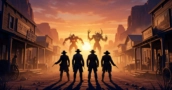




Pixel Sundays: Heroes of Might and Magic – The Return of a Strategy Legend

In today’s Pixel Sundays edition, we revisit a classic franchise that just released a new installment a few days ago. We are talking about Heroes of Might and Magic, one of the foundational turn-based strategy series with a heavy focus on fantasy. The franchise reached its zenith many years ago, only to hit rock bottom under Ubisoft’s banner, but now it aims to return to its Golden Era.
Summary
- The Beginning – From Might and Magic to Heroes of Might and Magic
- The Gameplay – Why Heroes Is So Addictive
- Heroes of Might and Magic II and III – The Classic Becomes a Legend
- The Rupture – Heroes IV, 3DO, and the End of an Era
- The Ubisoft Era – Reboot, Experiments, and Lost Magic
- Heroes of Might and Magic: Olden Era – The Grand Return of the Old Magic
- Conclusion – A Franchise Like an Old Spellbook
The franchise captivates players with its signature gameplay loop, where you select your hero, explore the map, and gather resources to recruit more troops to conquer rival kingdoms. This deceptively simple game system can engross you for hours on end, utterly taking over your attention. The “just one more turn” effect is heavily prominent here. Now, Heroes of Might and Magic: Olden Era has launched, aiming to recapture the essence of the beloved earlier games. To evaluate this, we will examine how things used to be and take a comprehensive look at the newest title in the series.
The Beginning – From Might and Magic to Heroes of Might and Magic
The origins of everything trace back to the expansive Might and Magic universe, which was initially a role-playing series by New World Computing. Heroes of Might and Magic subsequently emerged as a turn-based strategy spin-off. The inaugural game was released in 1995 under the title Heroes of Might and Magic: A Strategic Quest for MS-DOS. Developed by New World Computing, the game was conceived and directed by Jon Van Caneghem, a figure deeply intertwined with the Might and Magic legacy.
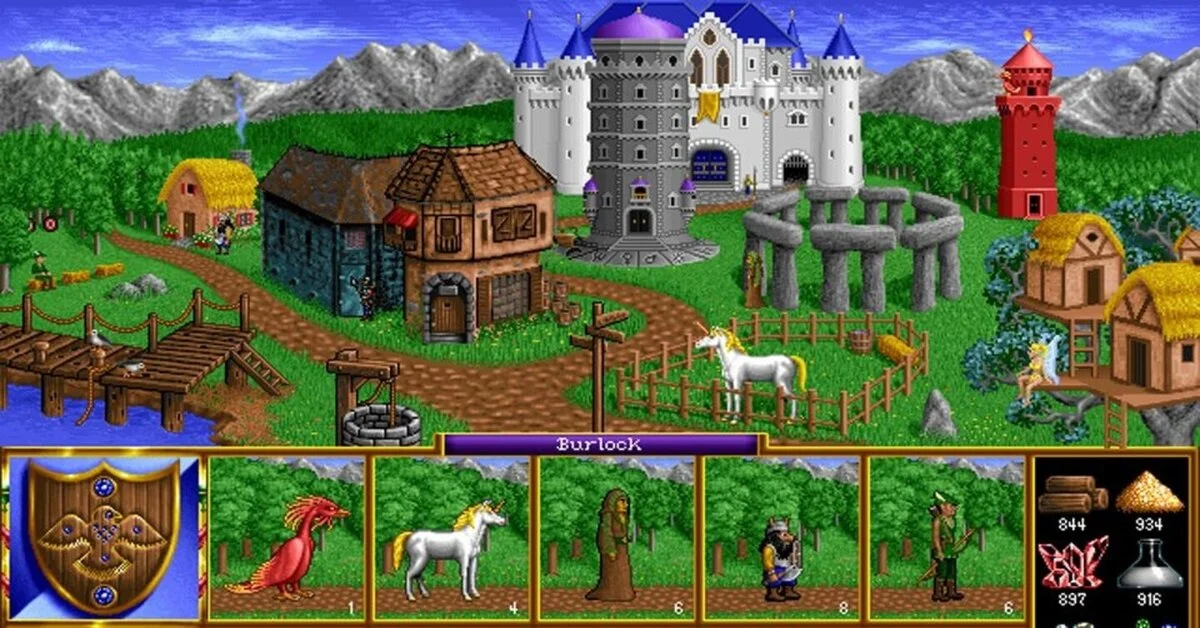
The “Heroes” games were not standard first-person role-playing titles featuring a party of adventurers; instead, you took command of heroes on an adventure map. In the first installment, there were four factions or classes you could choose from: Knight, Barbarian, Sorceress, or Warlock. Within the game, you explore the map shrouded in fog, gather resources, expand your castle, recruit units, and execute tactical battles. Resources such as gold, wood, ore, and rare materials could be obtained from camps and mines, allowing you to construct buildings or hire new creatures. These units then fight alongside your heroes against enemy armies; even back then, the roster included creatures like dragons, cyclopes, phoenixes, paladins, and many more.
Battles unfolded in a turn-based format on a dedicated combat screen, while exploration was managed via the adventure map. The first installment was noticeably less complex than later titles, but it successfully laid the initial foundations. Progress was gradual, yet you always had your objective clearly in sight, giving the game its distinct charm. An RPG universe thus transitioned into a strategy series that rapidly carved out its own identity.
The Gameplay – Why Heroes Is So Addictive
As previously mentioned, Heroes blends a turn-based world map with tactical turn-based combat. On the adventure map, you move your heroes from location to location, where they collect resources, artifacts, and treasures, and seize control of mines or cities. With these resources, you can recruit diverse troops or upgrade your cities to yield even greater bonuses. New creatures become available for recruitment every week, providing a fresh start on a weekly basis. Each turn, you must decide where your hero should move, which mine is of higher priority, or what structure to build first, establishing a profound tactical layer. Your heroes—of whom you can manage several simultaneously—earn experience, level up, acquire skills, and cast spells during combat.
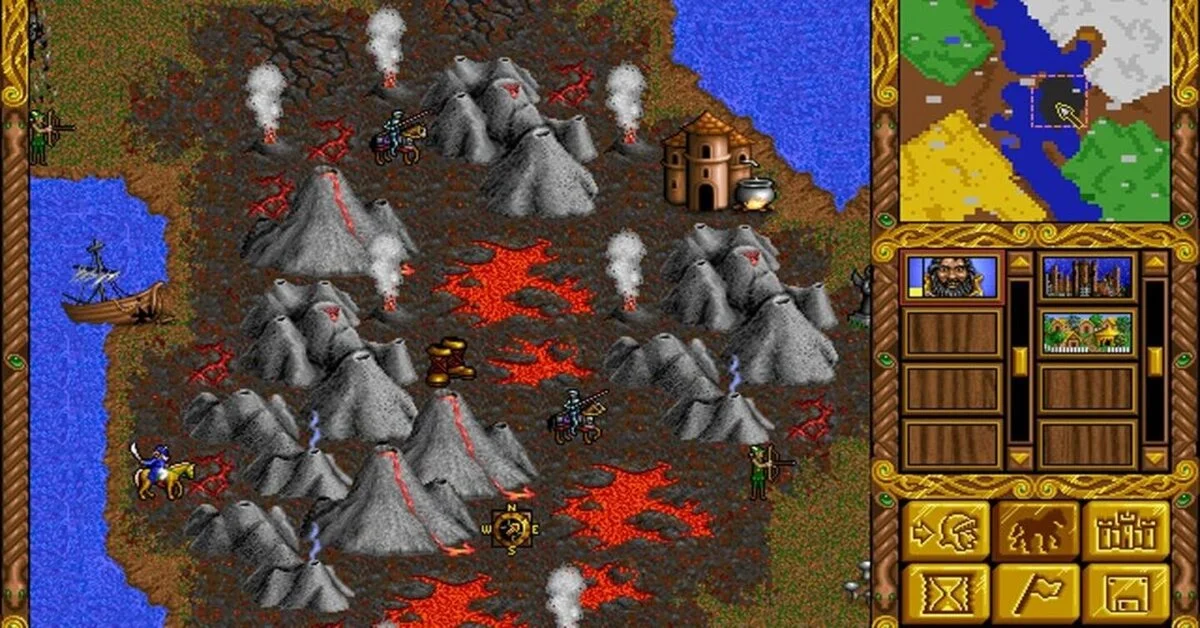
Within your armies, you can field regular soldiers such as archers and infantry. However, there is also a vast selection of diverse fantasy creatures with varying strengths: griffins, vampires, skeletons, dragons, angels, cyclopes, phoenixes, and paladins. Each faction boasts its own aesthetic and exclusive troops, such as knights and angels, undead and vampires, magical entities, barbarians, or dragon hosts. Battles occur on a tactical battlefield utilizing a hex-grid structure. Nevertheless, the combat mechanics remain relatively straightforward. Units act sequentially; they can move, attack, cast spells, or wait. The tactical depth stems from positioning, initiative, and the strategic deployment of magic.
This gameplay system has not drastically changed over time and remains highly comparable in the current game, Olden Era. The game is exceptionally enjoyable in multiplayer, particularly in Hotseat multiplayer, which allows multiple players to take turns on a single PC, offering a very early form of communal play. Heroes avoids feeling sterile because every map functions like a miniature fantasy adventure rather than a mere spreadsheet-driven strategy simulation.
Heroes of Might and Magic II and III – The Classic Becomes a Legend
Heroes of Might and Magic II: The Succession Wars was released in 1996 and was developed by New World Computing. The game significantly expanded upon the first installment’s formula, delivering more content, character, a stronger fantasy atmosphere, and a more fairy-tale aesthetic. Yet, the core gameplay loop remained unaltered. The game did not feel like a complete reboot, but rather a significantly refined iteration of the original.
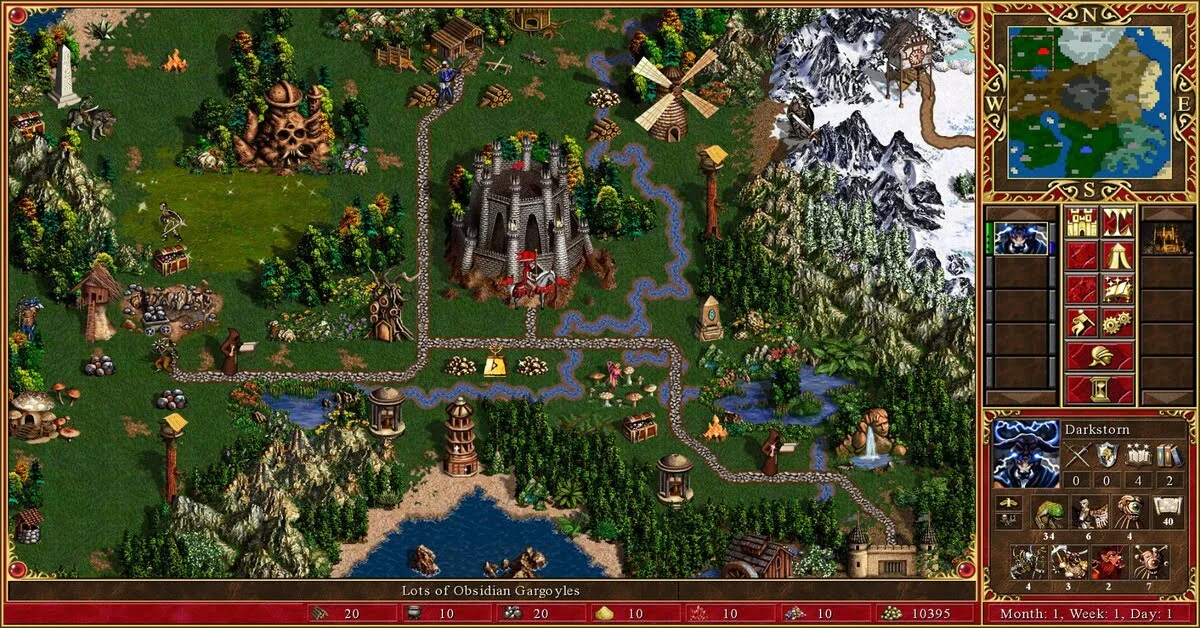
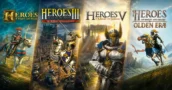
Heroes of Might and Magic III: The Restoration of Erathia was released in 1999, also developed by New World Computing. Heroes III is widely regarded as the most famous and, among many fans, the definitive entry in the series. The game took a massive leap forward, introducing more cities, additional units, expansive maps, improved balance, a more robust presentation, and enhanced long-term replayability. This was complemented by numerous new factions, each bringing their own distinct style, exclusive creatures, specialized city themes, and a unique atmosphere. The city interface was also dramatically overhauled; instead of just seeing buildings, you witnessed a sprawling fantasy metropolis taking shape. The iconic soundtrack for Heroes 3 was composed by Paul Romero, Rob King, and Steve Baca, leaving a lasting impression on countless players. Massive maps and extended matches made Heroes III the perfect choice for weekends, holidays, or late-night Hotseat sessions with friends.
Heroes of Might and Magic 3 is also available in an HD edition on Steam and GOG. It retains the identical gameplay experience with all expansions, alongside enhanced graphics optimized for modern displays. The community keeps the game incredibly active to this day through custom maps, multiplayer modes, and mods. A prominent fan expansion is Horn of the Abyss, which can be downloaded via the Steam and GOG Workshops. This expansion introduces new cities, campaigns, scenarios, and a wealth of improvements. Heroes III is not just “an old classic,” but a game that feels like an integral part of many players’ PC gaming childhoods. With Heroes II, the series found its definitive style; with Heroes III, it ascended to legendary status.
The Fracture – Heroes IV, 3DO, and the End of an Era
Heroes of Might and Magic IV was released in 2002 and was once again developed by New World Computing. The fourth installment was significantly more experimental than Heroes II and III. The most notable change involved the heroes themselves. They now stood directly on the battlefield alongside their troops and could actively participate in combat. Previously, they had only supported the army from the sidelines through abilities and equipped artifacts. This shift made Heroes IV feel much more like a role-playing game, distancing itself from the classic formula. Consequently, it became possible to field armies with multiple heroes or even no heroes at all, though the latter came with certain restrictions.
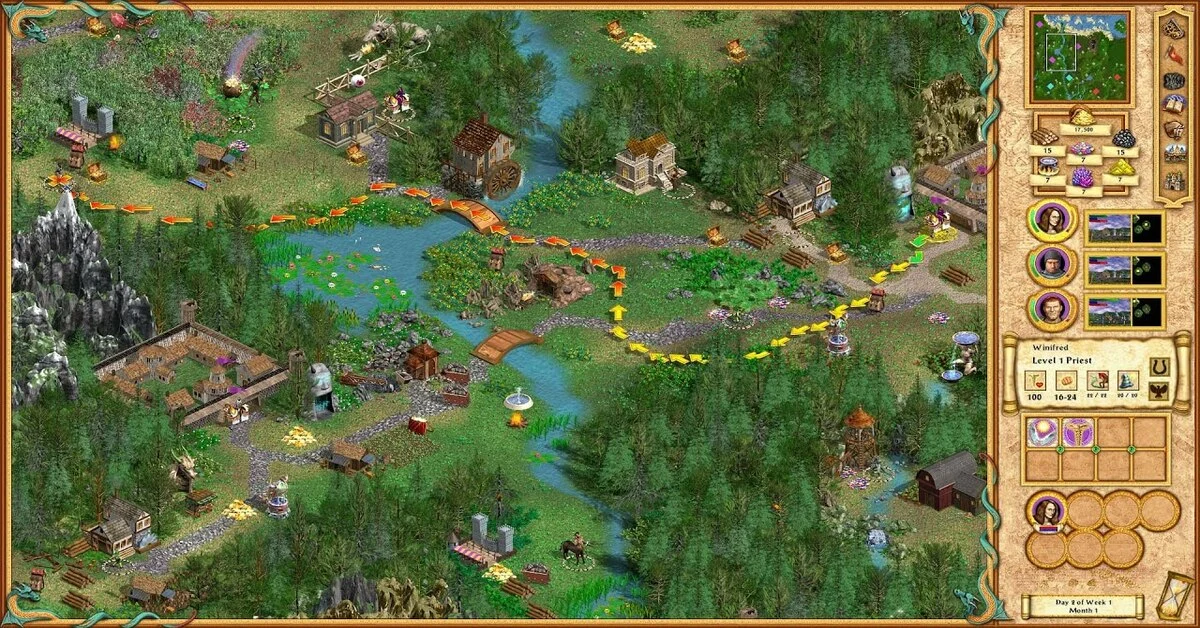
Additionally, the adventure map and battles transitioned to a fixed isometric 3D perspective. For some fans, these changes were exciting, as they introduced more depth and new tactical possibilities. However, the vast majority of players missed the established, finely tuned formula. Heroes IV was not a poor game, but it was one that deliberately subverted expectations.
A brief historical context is necessary here. New World Computing had been part of The 3DO Company since 1996. However, in the early 2000s, 3DO faced severe financial difficulties. As a result, large portions of the New World Computing team were laid off in April 2002. By 2003, 3DO officially filed for bankruptcy. This presented Ubisoft with the opportunity to acquire the rights to the Might and Magic franchise that same year. With 3DO’s collapse, New World Computing vanished completely. Heroes IV marked not just the end of a chapter, but the definitive conclusion of the original New World Computing era.
The Ubisoft Era – A Fresh Start, Experiments, and Lost Magic
After Ubisoft acquired the franchise rights, Heroes of Might and Magic V launched in 2006. With this entry, they aimed to orchestrate a grand reboot of the series. Developed by Nival Interactive and published by Ubisoft, the game introduced players to the new world of Ashan, entirely disconnected from the classic New World Computing universe. Ubisoft’s goal was to rebuild Might and Magic as a stronger, more cohesive fantasy ecosystem. The game utilized modern 3D graphics, giving it a contemporary feel that contrasted heavily with the older 2D classics. Yet, despite this narrative reboot, the gameplay of Heroes V aligned itself much closer to Heroes III than Heroes IV.
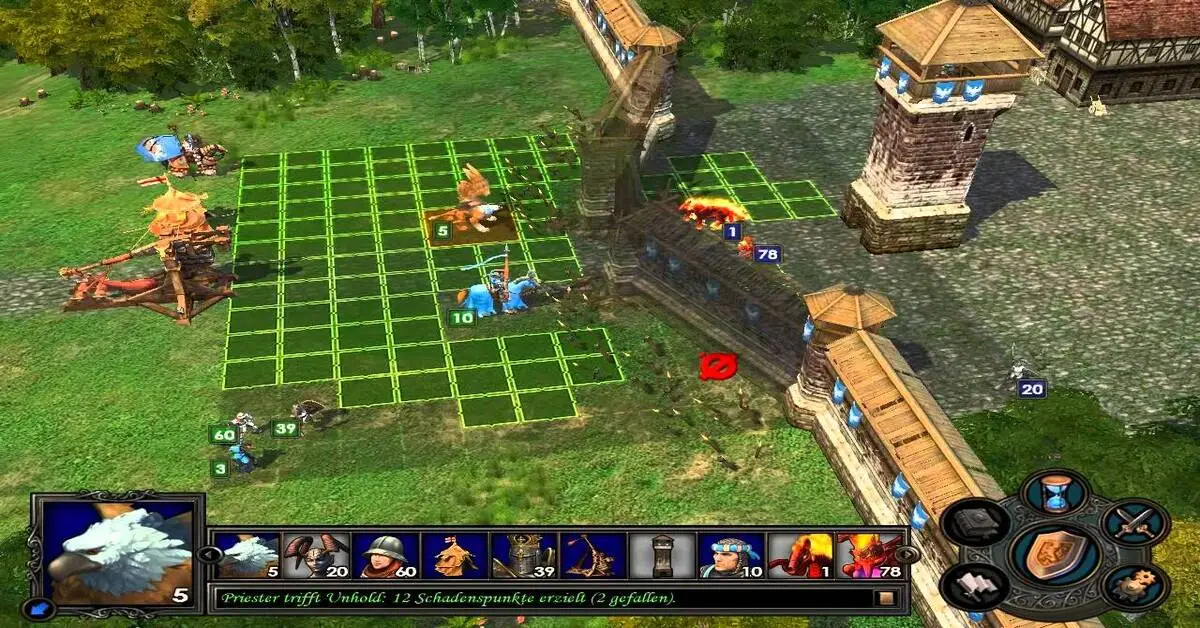
The title received critical acclaim and proved to be a major commercial success. By the end of 2006, Heroes V had sold over 350,000 copies, securing the number one spot on the sales charts in Germany, France, and the UK. It also received several expansions, including Hammers of Fate and Tribes of the East. These expansions introduced new classes, units, heroes, maps, and more. For many fans, Heroes V remains the undisputed high point of the Ubisoft era, as the franchise’s trajectory took a sharp downturn shortly after.
Moving forward, the series struggled to maintain its identity: Might and Magic Heroes VI and Might and Magic Heroes VII introduced promising concepts but failed to generate the same cultural impact. Ubisoft attempted to strengthen the overarching Might & Magic brand by altering the naming convention of the newer titles. Unfortunately, this only created further distance from the original, beloved identity. While Heroes VI and VII remained fantasy strategy games, they felt more like standard modern Ubisoft projects set within the Ashan universe.
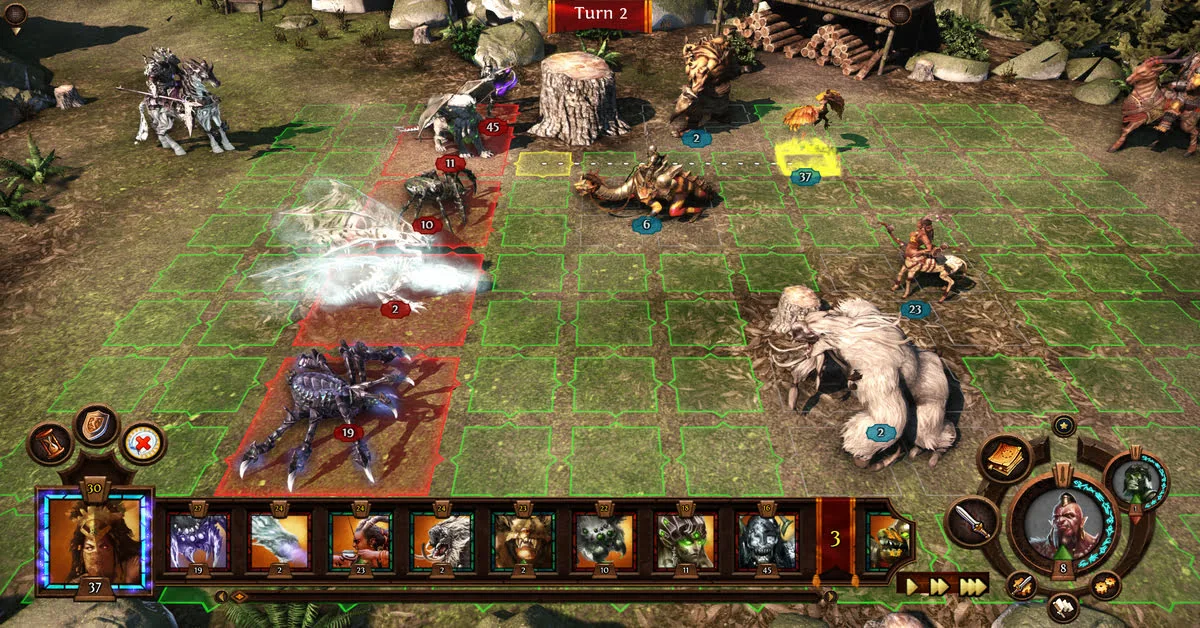
Furthermore, these games frequently suffered from performance issues and critical bugs, such as black screens or multiplayer connectivity problems. While Heroes V proved that the classic formula could still resonate, Heroes VI and VII highlighted just how difficult it was to recapture the magic of Heroes III. Many players simply clung to Heroes III, while others accepted Heroes V as a respectable modern compromise. This is precisely why the newest installment, Olden Era, has generated such immense excitement—it signals a true return to the franchise’s legendary roots.
Heroes of Might and Magic: Olden Era – The Grand Return of the Old Magic
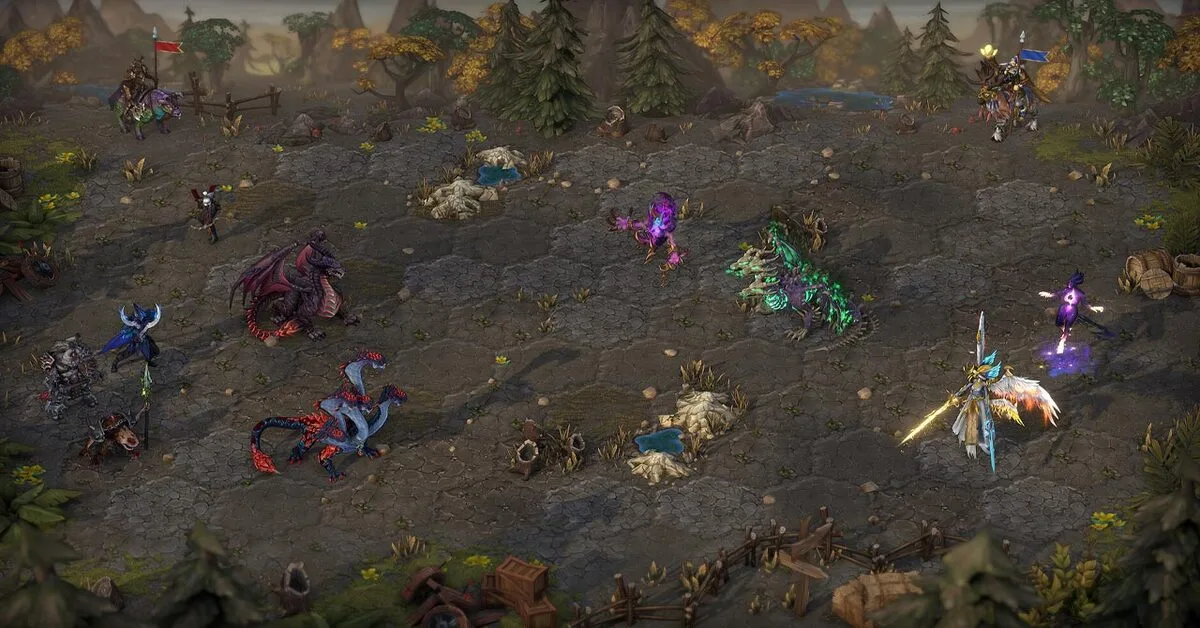
Heroes of Might and Magic: Olden Era is the first new mainline entry in the series in over a decade. The game entered Early Access on Steam on April 30, 2026. Developed by the independent studio Unfrozen and published by Hooded Horse, with backing from Ubisoft, the title serves as a deliberate signal to fans that the classic experience is back. The traditional Heroes of Might and Magic name has returned, and Olden Era acts as a thematic bridge between the old and golden eras. Functioning as a prequel to the legendary series, it brings players back to the world of Enroth—the setting of Heroes III—while exploring previously uncharted regions.
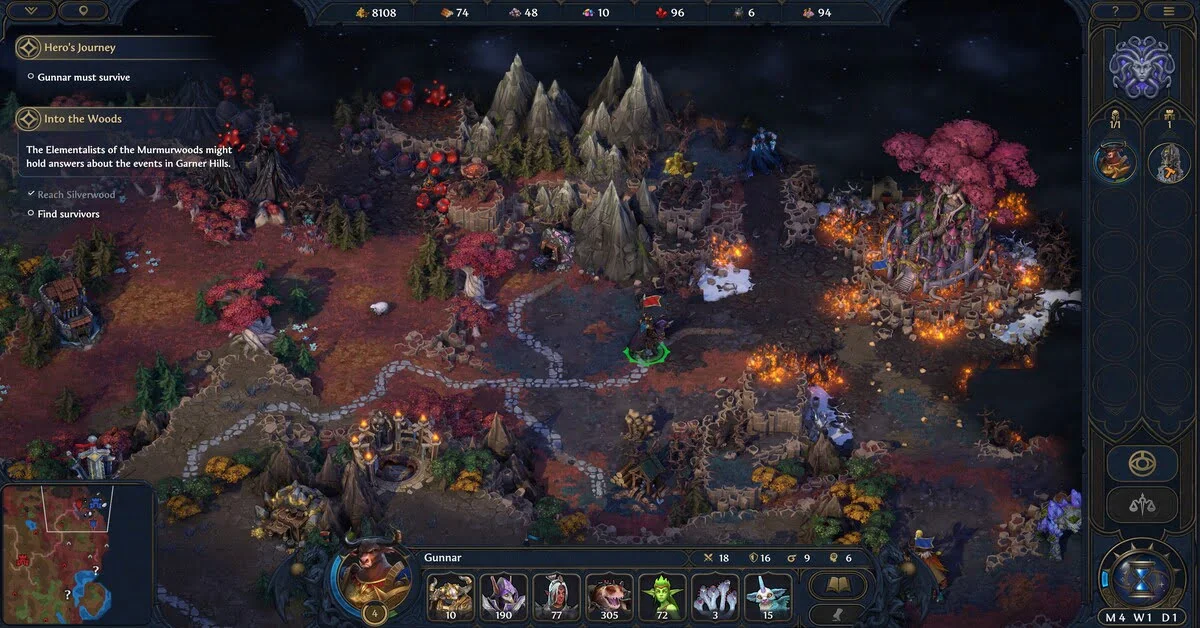
The classic formula is firmly back in focus: you will lead heroes, explore maps, expand cities, recruit armies, collect artifacts, and defeat opponents using magic and legendary creatures. The Early Access version already features six factions with brand-new units. Additionally, it offers a variety of modes for both single-player and multiplayer. Story-wise, the first act of the campaign is currently available, supplemented by self-contained scenario maps, skirmish modes, and a robust map editor. Extra features include Classic, One Hero, Arena, Random Map Generator, Co-op, and Multiplayer modes. Thanks to the map editor, the community is already creating custom maps, ensuring a steady stream of fresh content for everyone to enjoy.
In its first 24 hours alone, the game sold over 250,000 copies, successfully covering its development costs right out of the gate. Players have responded with overwhelming enthusiasm, resulting in 89% positive reviews within days of launch and a peak of 53,587 concurrent players. This massive debut proves that the fanbase never disappeared; they were simply waiting for a worthy new chapter. Moving forward, the developers plan to release major updates featuring additional campaign acts and new factions. Olden Era is living proof that Heroes never truly faded away. The old magic was merely waiting for the perfect moment to make its comeback.
Conclusion – A Franchise Like an Ancient Spellbook
Heroes of Might and Magic is one of those franchises that cannot be easily defined solely by its graphics, sales figures, or isolated mechanics. The true appeal lies in the overarching experience. You start small, gather resources, uncover the map, upgrade your city, and suddenly realize that a quick match has somehow consumed your entire evening.
From New World Computing and Heroes III to the Ubisoft years and now Olden Era, the series has navigated numerous phases. While not every installment achieved universal acclaim, the core concept has always remained incredibly compelling. This is exactly why Olden Era feels like more than just a new game; it is a powerful reminder of why this specific brand of strategy is still so deeply cherished by the community.
Hey, I’m Kilian, but online you’ll probably know me as “Tux1243.” I've been part of the team for almost two years now, always trying to keep you in the loop with the latest and coolest gaming news. I also have a huge passion for doing deep dives and detailed analyses of entire game series and franchises. I love getting to the bottom of things and exploring the little details and backstories that make game worlds so fascinating.
Download the Allkeyshop Browser Extension Free
For all the latest video game news, trailers, and best deals, make sure to bookmark us.
You can find all the best and cheapest online deals on CD keys, game codes, gift cards, and antivirus software from the verified CD key sellers on our store pages.
To not miss any news on Allkeyshop, subscribe on
Google News
.
MORE RELEVANT ARTICLES