![Why Valve silently edited the Steam Machine release date [Update]](https://www.allkeyshop.com/blog/wp-content/uploads/featured-steam-machine-valve-update-silent-release-date-2026-worries-expectation-hardware-172x90.webp)






![Here is exactly when Monster Hunter Stories 3 unlocks [News]](https://www.allkeyshop.com/blog/wp-content/uploads/featured-monster-hunter-stories-3-twisted-reflection-global-launch-times-preload-system-requirements-rewards-172x90.webp)
![Aspyr's mysterious Lara Croft teaser sets March 12 date [Teaser]](https://www.allkeyshop.com/blog/wp-content/uploads/featured-aspyr-tomb-raider-trilogy-update-remastered-teaser-12-march-update-i-iii-details-172x90.webp)


The End of Loot Boxes? Why Valve’s Legal Luck Is Running Out

Following a series of recently filed lawsuits by the state of New York, a UK action group, and the Performing Right Society, Valve is now facing another consumer action lawsuit over the company allegedly allowing children and adults to “illegally gamble.”
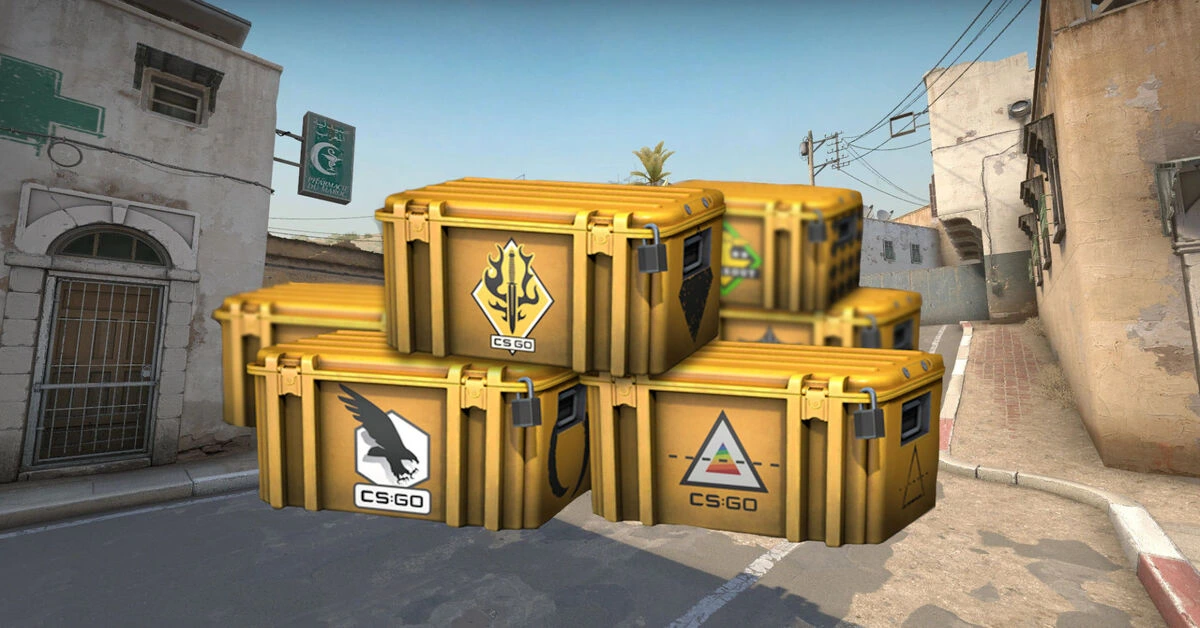
The “Skins Economy” has long operated in a grey area, but the fog is finally lifting, and the view isn’t pretty for Valve.
Following a landmark filing by New York Attorney General Letitia James in late February, a second, national consumer class-action lawsuit was launched on March 9, 2026, in the Western District of Washington.
The core of the argument, according to a press release, is that Valve “deliberately engineered” its loot box systems in Counter-Strike 2, Dota 2, and Team Fortress 2 to function exactly like virtual slot machines.
By allowing these items to be traded for real-world currency on both the Steam Community Market and third-party sites, plaintiffs argue that Valve has turned “cosmetic fun” into a high-stakes gambling operation that specifically targets minors.
👉 READ ALSO: EA Lays Off Staff at Battlefield 6
The Legal Battlefield?
The core of the lawsuit targets the very mechanics that make Counter-Strike 2 and Dota 2 so addictive. Lawyers are pointing at the spinning wheels, the flashing lights, and those heart-pounding “near-miss” illusions as evidence of a predatory “slot machine” design.
These sensory rewards aren’t just cosmetic but the engine driving a multi-billion-dollar ecosystem. For many, the game isn’t just about the defuse but about the dopamine hit of the unboxing.
The Kids at the Casino? The “Addictive” Trap
The legal weight behind this movement is spearheaded by Hagens Berman, the firm that famously took on Big Tobacco and Enron. Their stance is that Valve isn’t just selling games, but hosting a gambling enterprise.
Lawyers argue that Valve has spent years perfecting “near-miss” animations, where a rare knife skin stops just one frame away from your cursor, to hook developing brains.
Research cited in the New York case suggests that children exposed to these mechanics are four times more likely to develop a gambling addiction later in life.
“What makes this case particularly egregious is that Valve knew children were on the other end of these transactions,” says Steve Berman, Hagens Berman’s founder and managing partner. “Rather than protect young players through age verification or a parental consent mechanism, we believe they rigged the game to extract more money from them.”
Unlike a physical casino with bouncers and ID checks, Valve’s primary barrier is a simple, unverified checkbox. This has left the door wide open for a generation of teenagers to treat CS2 like a high-stakes sportsbook.
Is the Steam Market Safe?
If you’re holding a massive inventory, the next few months will be tense. This legal pressure in the Western District of Washington could see Valve make significant changes that could impact the gaming industry for decades to come.
Fueled by a passion for gaming and the ever-evolving world of gaming news, Daniel loves connecting with seasoned and new players to bring games to life on the page, exploring their narratives and gaming trends. A self-published fiction and fantasy author, Daniel has nearly 20 years of experience writing gaming news and a love for storytelling that drives his enthusiasm to deliver breaking news, in-depth analysis, and industry innovations. You will find him in-game as "Windfell."
Download the Allkeyshop Browser Extension Free
For all the latest video game news, trailers, and best deals, make sure to bookmark us.
You can find all the best and cheapest online deals on CD keys, game codes, gift cards, and antivirus software from the verified CD key sellers on our store pages.
To not miss any news on Allkeyshop, subscribe on
Google News
.
MORE RELEVANT ARTICLES