








The Blueprint for Success: Team Vitality in the 2026 Esports Winter

The collapse of venture-capital-backed esports organizations in 2026 left a trail of shuttered leagues and liquidated assets, yet Team Vitality thrived.
By rejecting the industry’s reliance on speculative funding and transitioning toward a vertically integrated model of retail, community ownership, and mobile-first expansion, the organization has redefined the financial viability of professional gaming.

Key Takeaways
- Team Vitality achieved financial stability in 2026 by pivoting away from venture capital reliance toward a diversified model of retail, physical community hubs, and mobile-first expansion.
- The organization uses its Paris-based V.Hive facility and a Tezos-backed mobile ecosystem to monetize fans directly through apparel and digital engagement, reducing dependency on volatile broadcast rights.
- By scouting tier-two talent and integrating them through the Vitality Academy, the team manages high-performance rosters without the ruinous costs of hyper-inflated player contracts.
The esports landscape of 2026 is defined by a flight to quality and sustainability. While many organizations struggled under the weight of hyper-inflated player salaries and a collapse in global broadcast rights, Team Vitality successfully leveraged its French roots and early social equity to build a robust, diversified revenue engine.
This report analyzes how their strategic pivot from venture capital reliance to a fan-centric, retail-heavy ecosystem secured their $200 million valuation and established a new blueprint for professional franchises worldwide.
👉 READ ALSO: The Rise and Fall of Evil Geniuses
How Did a French Console Roster Build a Global Brand?
Team Vitality has built a global brand by bootstrapping operations around a highly successful Call of Duty roster following its foundation in August 2013 by Fabien “Neo” Devide, Nicolas Maurer, Corentin “Gotaga” Houssein, and Kevin “BrokyBrawks” Georges. Capitalizing on early social equity within the French market, Team Vitality attracted the major venture capital required for international expansion and scaling PC gaming infrastructure.
This roster-first strategy proved highly effective during the esport organization’s early years. It laid the groundwork for critical financial injections, notably the €20 million Rewired.GG investment in 2018.
This capital injection allowed the organization to transition from a localized console team into a global contender with the infrastructure to scale.
Scaling the Summit: From LEC Entry to the Paris Major
The critical expansion phase between 2018 and 2023 defined the organization’s modern competitive identity. Management executed a strategic entry into top-tier franchised leagues, securing the capital to support world-class talent across multiple disciplines.
Entering the League of Legends European Championship (LEC) and signing Counter-Strike prodigy Mathieu “ZywOo” Herbaut shifted the competitive landscape. Securing multiple Rocket League World Championships further established them as a multi-title threat.
This era culminated in the BLAST.tv Paris Major victory, cementing their tier-one status prior to the industry’s financial downturn.
How Did Team Vitality Survive the 2026 Esports Winter?
Team Vitality survived the 2026 esports winter by immediately pivoting away from inflated player salaries toward sustainable talent development.
By launching the Vitality Academy in April 2026 and anchoring operations around physical community hubs, the organization successfully insulated itself from the collapse of global broadcast rights.
This structural shift recognized that hyper-inflated contracts were financially ruinous across the industry. Management prioritized scouting tier-two talent and integrating them into the main roster with sensible, structured compensation packages.
Team Vitality’s physical headquarters, V.Hive, transformed from a standard training facility into a public-facing retail center. This facilitated direct fan monetization without relying entirely on unpredictable digital sticker sales.
The Turning Point: From Paris Major Glory to CS2 Dominance
The foundation for current stability was established during the final global Counter-Strike: Global Offensive tournament. Winning the Paris Major provided the prestige necessary to dictate their own terms entering the new competitive era.
Managing the high-stakes transition to Counter-Strike 2 required careful roster management. The active 2026 roster now features superstar Robin “ropz” Kool alongside ZywOo, apEX, flameZ, and mezii.
This dominant squad won back-to-back Majors in 2025 across Austin and Budapest, and secured seven consecutive Tier-S titles.
Their recent IEM Rio 2026 victory marked the first time in history a team achieved back-to-back ESL Grand Slam titles.
What Are the Core Revenue Streams for Modern Esports Organizations?
Modern esports organizations generate core revenue through a balanced combination of long-term co-creative sponsorships, direct lifestyle apparel sales, and diversified media rights.
Prioritizing partnerships with non-endemic brands alongside decentralized merchandising forms the backbone of this robust financial infrastructure, protecting against venture capital volatility.
By partnering with global distributors, Team Vitality ensures their gear reaches fans efficiently without absorbing massive warehousing costs. The official markup on their premium lifestyle apparel is strictly managed to encourage high-volume sales, keeping the official 2026 Pro Kit accessible at around £59.
Long-term co-creative sponsorships with brands like ALDI, Adidas, and Tezos effectively offset operational overhead. Rather than simple logo placements, these deals involve collaborative product lines that generate recurring revenue.
How Does the Content Creator Engine Drive Retail?
The Team Vitality content creator engine drives retail by bridging the gap between professional tournament victories and daily consumer engagement.
By leveraging a high-profile roster of creators such as Gotaga and Lucie “Bibi” Papin, the organization maintains constant visibility on Twitch and YouTube.
These creators act as the primary conduit between the competitive gaming environment and the brand’s lifestyle identity. When influencers integrate the official Pro Kit or limited-edition collaborations into their daily broadcasts, it generates an immediate and measurable impact on conversion rates at the V.Hive retail center in Paris.
Beyond standard sponsorship activations, these creators utilize the organization’s Tezos-backed mobile ecosystem to execute exclusive drops.
This strategy forces a direct link between community interaction and tangible retail sales, effectively turning passive viewers into active consumers. Additionally, this pipeline ensures that brand relevance is not solely tethered to tournament performance or championship prize pools.
👉 READ ALSO: The Team Liquid Legacy: From StarCraft to 2026 Global Empire
Building Beyond PC: Rocket League, Mobile, and Regional Expansion
A comprehensive structural analysis requires looking beyond a single flagship PC title. The organization made calculated investments in Rocket League, securing World Championship titles and capturing a younger demographic.
Ahead of the 2026 Paris Major at La Défense Arena, they bolstered their Rocket League squad by signing Gaspar “stizzy” Rosalen to play alongside superstars “zen” and “ExoTiiK“.
They also executed a strategic expansion into mobile esports markets. By fielding competitive rosters in titles popular in emerging regions, they stabilized regional revenues and reduced their dependence on the traditional European PC gaming market.
Vitality’s developmental philosophy serves as a hedge against the volatile practice of buying established rosters.
Through the Vitality Academy, the organization integrates internal prospects into a system that mirrors the support structure of their main teams, including dedicated sports psychologists, data analysts, and performance nutritionists.
By slowly integrating these prospects into the primary squad, Vitality mitigates the financial and competitive risk associated with high-stakes roster acquisitions, ensuring that performance remains consistent even when individual star players depart.
Expanding the Demographic: Women in Esports
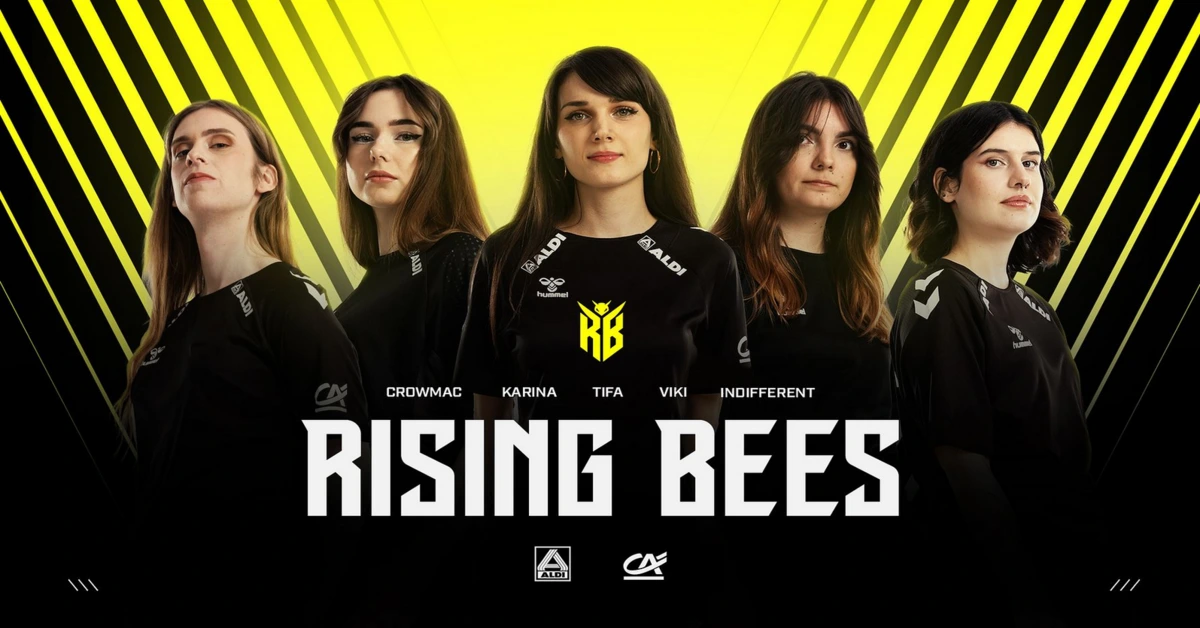
Team Vitality has actively expanded its demographic reach by investing heavily in women’s competitive rosters. Initiatives like the “Rising Bees” in League of Legends tap into a rapidly growing audience that older esports models frequently ignored.
This organization expansion provides clear pathways to professional play for marginalized demographics. It also opens entirely new sponsorship categories for the Team Vitality.
By supporting competitive women’s teams with the same high-performance infrastructure as their main rosters, Vitality broadens its cultural footprint. This secures brand loyalty from a wider, more diverse global fanbase.
How Does the V.Hive Ecosystem Operate in 2026?
In 2026, Team Vitality operates through a decentralized hub model anchored by their V.Hive retail and community center in Paris.
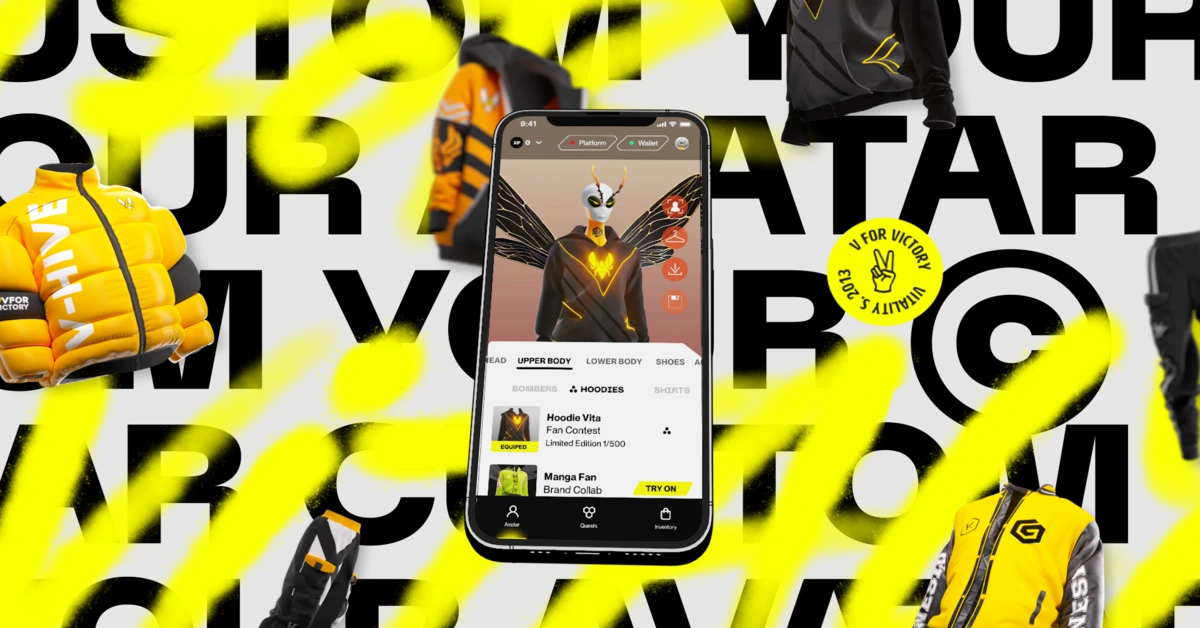
This physical home successfully blends public-facing retail with elite athletic development, utilizing web3 applications to gamify fan engagement and drive localized merchandise sales.
A Tezos-backed mobile application gamifies fan engagement and drives localized retail at these physical locations. This creates a direct, participatory economy between the organization and its supporters.
Furthermore, Vitality’s global footprint now extends into Southeast Asia via the Bigetron Esports acquisition, fielding rosters in Free Fire and Honor of Kings. This proves their operational model scales successfully across different geographical regions.
The Bigetron acquisition not only provides immediate access to established fanbases in Indonesia and Southeast Asia but also creates a ‘talent bridge’ where mobile players can be scouted and elevated to global stages, mirroring the developmental philosophy used for their European PC rosters.
The effectiveness of the V.Hive model relies on a proprietary data feedback loop. By tracking engagement metrics through their app, management identifies which digital “quests” correlate with high-intent retail behavior at their physical headquarters.
If digital engagement for a specific Rocket League tournament spikes in a particular region, the organization adjusts inventory levels and event programming at the Paris flagship to match that demand. This creates a data-informed retail cycle that minimizes overhead while maximizing throughput.
What Are the Organization’s Vulnerabilities in 2026?
The organization’s primary vulnerabilities in 2026 stem from their heavy reliance on the localized French economy and the structural volatility inherent in publisher-controlled league ecosystems.
While Team Vitality has successfully diversified beyond traditional venture capital, their operational model remains susceptible to several high-level risks.
Publisher-Centric Governance
The most significant threat to any esports franchise is the “publisher-takeover” risk. Because entities like Riot Games (League of Legends) or Valve (Counter-Strike) own the intellectual property, they can unilaterally alter league structures, broadcast requirements, or even the fundamental game rules at any time.
A sudden pivot in publisher policy regarding revenue sharing or league franchising can instantly compress the organization’s bottom line, forcing a scramble for new revenue sources.
Geographic and Economic Concentration
Despite an international reach, a substantial portion of the organization’s premium sponsorship and retail revenue remains tied to the French market. This concentration leaves Team Vitality exposed to Western European economic cycles.
Any localized recession or a shift in French consumer spending habits, which the organization relies on to support their high-cost physical footprint like V.Hive, could trigger a rapid decline in profit margins, even if global esports interest remains high.
The “Fandom Persistence” Trap
As the industry matures in 2026, experts note that tournament viewership often spikes during major events but fails to translate into long-term, sustainable fan loyalty once the event concludes.
Vitality’s model relies on an “always-on” approach to sustain brand relevance throughout the year. However, if their multi-title rosters fail to achieve consistent competitive results, the cost of maintaining this constant engagement machine could begin to outweigh the actual revenue generated by the casual fan base.
Regulatory and Geopolitical Scrutiny
In 2026, the global legal landscape for esports is tightening. With new frameworks regarding AI-assisted content, loot box transparency, and “Duty of Care” legislation, the organization faces increasing compliance costs.
As international deals and cross-border expansions become more common, Team Vitality must navigate complex Foreign Direct Investment (FDI) reviews and geopolitical tensions, which can create unpredictable timelines and increased legal overhead for any future M&A activity or regional expansion efforts.
Hedging Against Publisher-Takeover Risk
The organization’s pivot toward proprietary revenue streams acts as a specific insurance policy against the risk of unilateral publisher decisions.
Because Riot Games or Valve effectively control the rules, prize pools, and broadcast requirements of their respective leagues, organizations that rely solely on these ecosystems are vulnerable to sudden profitability shifts.
By diversifying into non-publisher-controlled revenue, such as their lifestyle apparel lines, decentralized V.Hive assets, and third-party event activations, Vitality maintains a base level of operational autonomy that publisher-dependent organizations cannot replicate.
This “non-endemic” financial buffer ensures that even if a league’s structure changes, the organization’s core identity remains intact.
Is Team Vitality the Blueprint for Future Esports Franchises?
Team Vitality serves as the definitive blueprint for future esports franchises because their ecosystem successfully blends high-performance rosters with digital fan monetization and sustainable retail. This model thrives in current 2026 market conditions by actively rejecting speculative spending and operating closer to a traditional sports franchise.
The data contrasts sharply with the collapse of competitor organizations, which relied entirely on venture capital injections to cover negative operating margins. Localized fan experiences and retail cover baseline costs securely.
Fueled by a passion for gaming and the ever-evolving world of gaming news, Daniel loves connecting with seasoned and new players to bring games to life on the page, exploring their narratives and gaming trends. A self-published fiction and fantasy author, Daniel has nearly 20 years of experience writing gaming news and a love for storytelling that drives his enthusiasm to deliver breaking news, in-depth analysis, and industry innovations. You will find him in-game as "Windfell."
Download the Allkeyshop Browser Extension Free
For all the latest video game news, trailers, and best deals, make sure to bookmark us.
You can find all the best and cheapest online deals on CD keys, game codes, gift cards, and antivirus software from the verified CD key sellers on our store pages.
To not miss any news on Allkeyshop, subscribe on
Google News
.
MORE RELEVANT ARTICLES




Comments (0)