










Pixel Sundays: James Bond Games – From GoldenEye to 007 First Light

James Bond is arguably the most famous secret agent in history. Many know the 007 movies, but there are also quite a few video games featuring him. It all started back in the 1980s with 007 text adventures and much more. The first licensed game arrived in 1983, followed by the massive hit, GoldenEye 007.
Summary
- GoldenEye 007 and the Great Bond Myth in Gaming
- The EA Years – When Bond Tried Almost Every Genre
- Activision, Blood Stone, and the Crash with 007 Legends
- 007 First Light and the Chance for a Genuine Reboot
- Conclusion: Why 007 First Light Is More Than Just a Comeback
Over the years, many more games were released, each testing something new. However, a new James Bond game has now appeared: 007 First Light. This new title is a mix of James Bond and Hitman, featuring gadgets, tools, a strong atmosphere, and that classic Bond vibe. Today, we look back at the older games, the issues they faced, and naturally, the future of 007.
GoldenEye 007 and the Great Bond Myth in Gaming
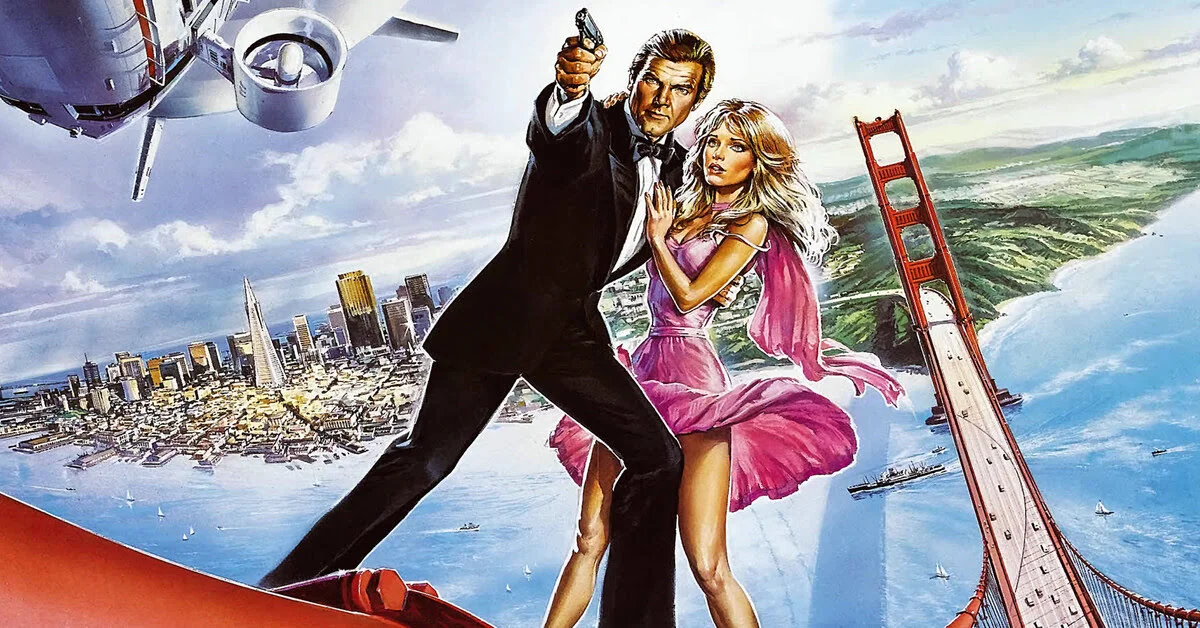
James Bond games have been around for many years. The first game featuring James Bond as the main character was Shaken but Not Stirred from 1982. This was a pure text adventure released for the ZX Spectrum in the UK. Over time, many more titles followed. For the 1985 film A View to a Kill, two different games were released: an action game and a text adventure. This demonstrated early on that Bond games fluctuated between action and adventure.
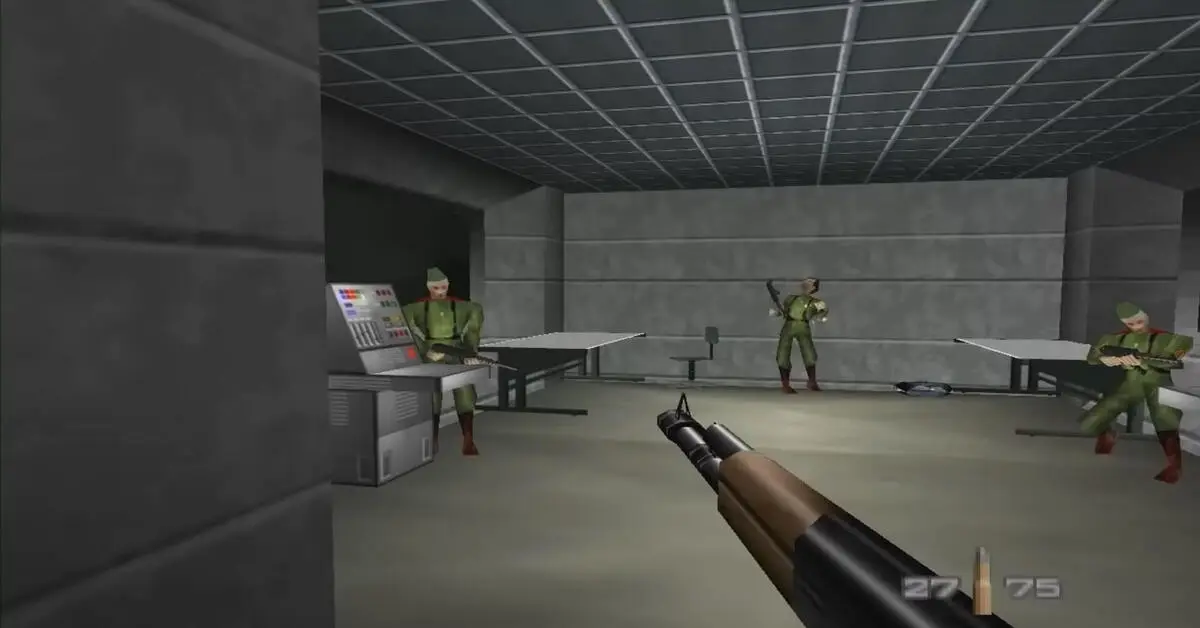
However, the real breakthrough came with GoldenEye 007 for the Nintendo 64 in 1997. This game became a classic and shaped Bond in gaming more than many later titles. GoldenEye 007 not only had the official license but also offered unique gameplay. You had missions with specific objectives, early stealth mechanics, gadgets, and even a split-screen multiplayer mode. GoldenEye proved that a licensed game could be much more than just a playable movie.
As mentioned, you had specific tasks within the missions. You had to find documents, sabotage computers, destroy cameras, rescue hostages, protect key figures, or infiltrate specific locations. Bond’s persona was not entirely necessary for these tasks, but it provided a solid foundation for the experience. The game also allowed you to change the difficulty level, which consequently altered the entire mission structure. Higher difficulties added extra objectives, making it highly rewarding to replay missions.
GoldenEye was not merely a straightforward shooter; it incorporated stealth elements. You could almost always proceed cautiously, utilizing silencers and quiet weapons. Simply running in and shooting often led to problems, requiring a tactical approach. This gave players the genuine feeling of being a secret agent rather than just a generic action hero.
The game’s multiplayer quickly became legendary. Up to four players could join, making it one of the most essential couch multiplayer experiences of the 90s. The multiplayer was simple, direct, and extremely fun. Above all, GoldenEye demonstrated that shooters could thrive on consoles, serving as the first major shooter experience for many players.
Nevertheless, the success of GoldenEye set exceptionally high expectations for future Bond games. A Bond game no longer just needed the license; it had to deliver exceptional gameplay. Fans expected agents, missions, gadgets, stealth, action, and a compelling atmosphere. Consequently, many of the subsequent games were automatically compared to GoldenEye.
The EA Years – When Bond Tried Almost Every Genre
Following the success of GoldenEye, a highly active Bond era began under EA. Between the late 90s and mid-2000s, several Bond games were released. During this period, there was a lot of experimentation, resulting in a wide variety of games. Shooters, third-person action, vehicle missions, stealth elements, and even stronger cinematic presentations were combined in different ways.
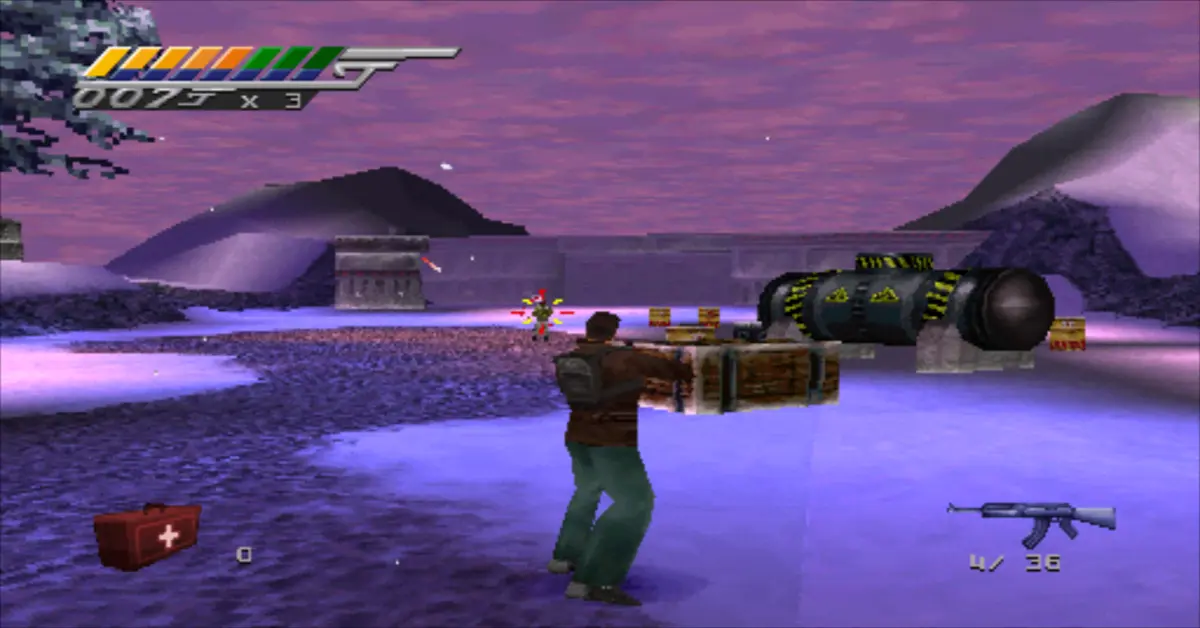
An early attempt post-GoldenEye was Tomorrow Never Dies for the PlayStation. The game was based on the film of the same name starring Pierce Brosnan. Instead of a first-person shooter, it was a third-person action game, making it feel distinctly different from the N64 classic. However, the game also highlighted the prevailing issue of the era: after GoldenEye, fans were expecting another massive Bond hit.
We won’t cover every Bond game here, but we will look at a few of the major ones. Agent Under Fire featured an original Bond story. This game was not tied to a specific film, granting EA the freedom to create new characters, missions, and locations. It relied heavily on first-person shooter action, gadgets, and vehicle segments. Without a film script to follow, Bond could be utilized more as a standalone hero rather than just a movie character. While not a perfect game, it was a significant step toward independence.
Nightfire also told an original story and is considered one of the stronger Bond games. It offered an excellent blend of the classic Bond feeling and video game action. There were stealth sections, vehicle sequences, and naturally, gadgets to assist in missions. The atmosphere stood out positively. For many, Nightfire felt more like a complete Bond adventure than some of the direct movie adaptations. Its multiplayer was also a strong feature, conceptually reminiscent of GoldenEye.
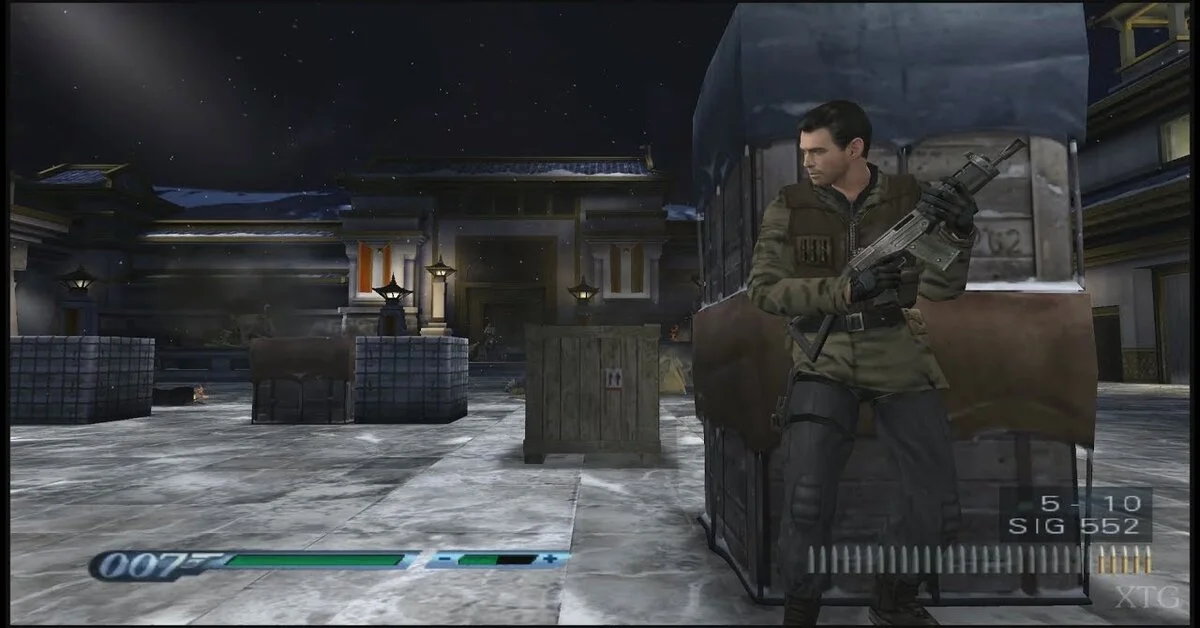
Everything or Nothing was perhaps EA’s most intriguing approach. The game shifted entirely to a third-person perspective. As a result, Bond appeared much more like he does in an action film. The gameplay included cover mechanics, hand-to-hand combat, gadgets, shootouts, vehicle missions, and massive set pieces. The game told an original Bond story. Everything or Nothing did not feel like a movie tie-in; rather, it felt like its own playable Bond film. A well-known cast was utilized, which elevated the game’s production value.
During this phase, Bond proved that he worked well not just in shooters, but across various formats. Action-adventure, third-person gameplay, stealth missions, vehicle action, gadgets, and espionage scenarios with cinematic set pieces all suited him perfectly. This versatility is exactly what makes Bond ideal for video games. The quality of the games during this era was inconsistent, largely due to ongoing experimentation, and players continually held GoldenEye as the ultimate benchmark.
Activision, Blood Stone, and the Decline with 007 Legends
Following the EA years, Activision took over the James Bond game license in May 2006. This period heavily coincided with the Daniel Craig era in the films. The tone became grittier, more modern, and less playful, making Bond feel more like a straightforward action hero rather than the elegant agent relying on his gadgets. Activision created a total of four new Bond games between 2006 and 2012.
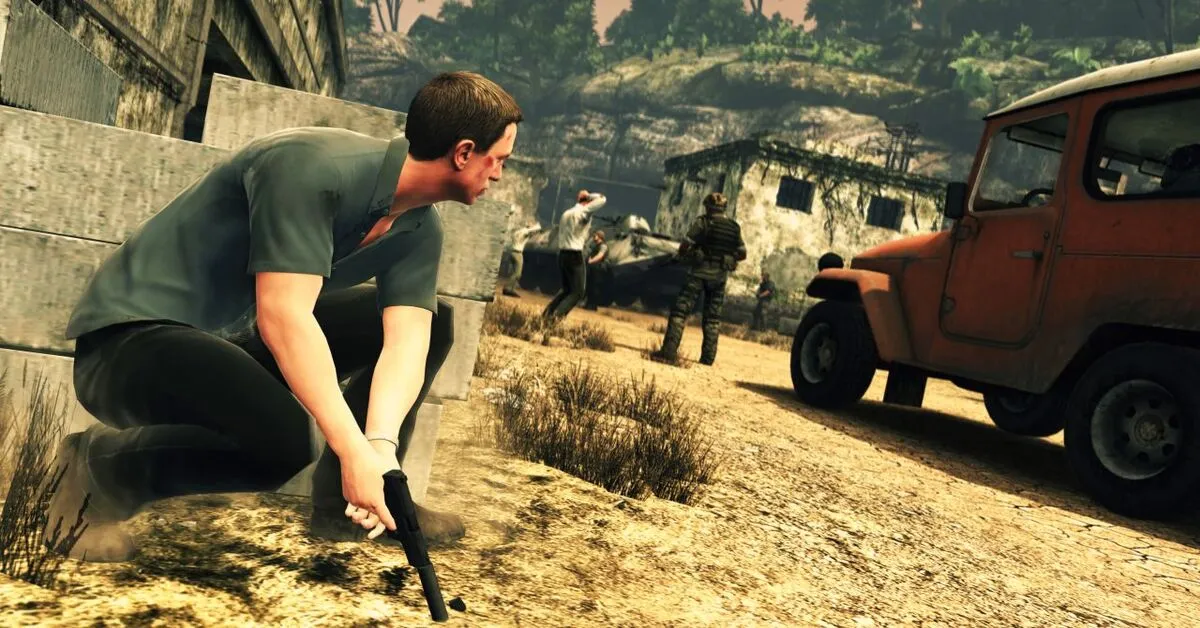
It began with Quantum of Solace, featuring content from Casino Royale and Quantum of Solace. This game relied heavily on first-person shooter action. Thanks to the Call of Duty engine, the game felt more modern and fast-paced. However, many players missed the classic Bond variety, including the use of gadgets and stealth. The game was solid, but it was not the major new Bond moment.
Blood Stone was released next and is arguably the most interesting game of this era. It was not a direct film adaptation but featured an original Bond storyline. Daniel Craig returned as the visual model for Bond. The game focused on third-person action, a cover system, melee combat, and driving sequences. Consequently, it felt more like a modern action thriller, and the essence of being a secret agent was somewhat lacking. Nevertheless, without a strict film template, the developers were able to utilize original locations, enemies, and missions. Still, it remained more of a cult classic rather than a major commercial breakthrough.
Activision then attempted to revive the dream of GoldenEye 007 with GoldenEye 007 Reloaded. GoldenEye was always the biggest name in the franchise, serving as the standard for all comparisons, so remaking it with better technology seemed logical. The problem, however, was that GoldenEye thrived heavily on its era and the local multiplayer mythos. A modern remake could hardly capture that magic, and the experiment failed. Instead of offering nostalgia and innovation, it felt more like an attempt to capitalize on past success.
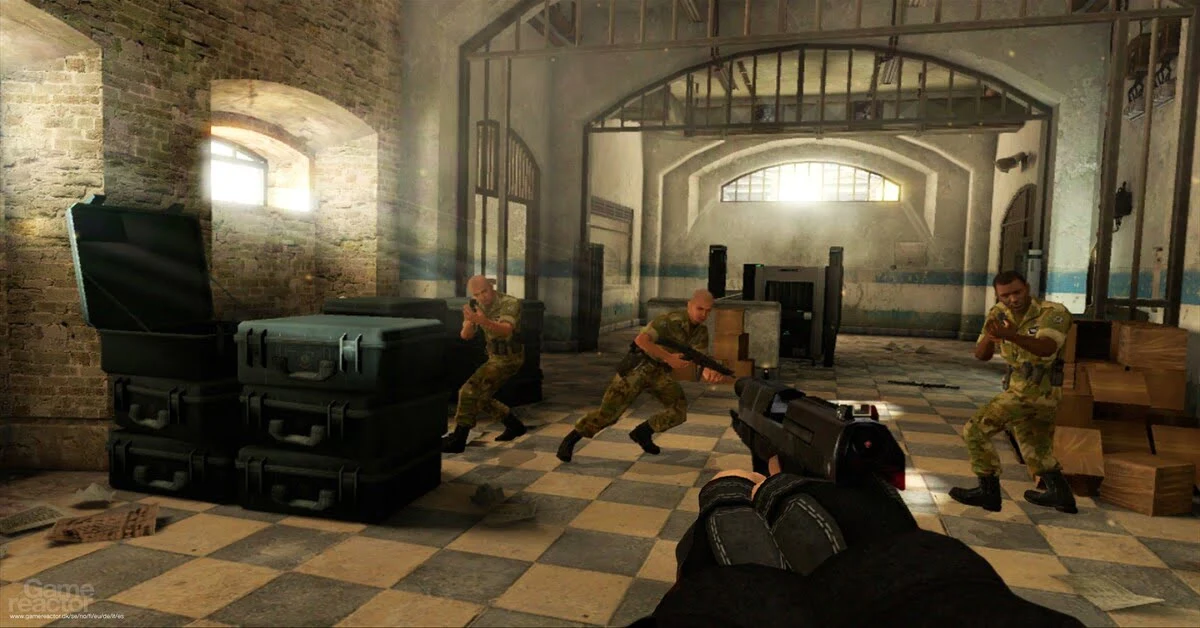
The final game was 007 Legends. On paper, the game had an exciting premise: combining several classic Bond films into one overarching experience. The concept sounded like a playable retrospective of film history. Yet, the execution of 007 Legends was highly problematic. The levels often felt like standard shooter environments merely dressed in Bond scenery. Furthermore, the film narratives were heavily condensed, losing their atmosphere. The execution was weak, despite a strong initial concept. The game clearly demonstrated that the license alone was insufficient. Following games like GoldenEye, simple shootouts in familiar settings were no longer enough, and fans demanded more. After 007 Legends, there was a long hiatus in the Bond gaming universe.
007 First Light and the Chance for a Genuine Reboot
007 First Light is the first major new Bond title since 007 Legends in 2012. First Light was released on May 27, 2026, ending a long pause for James Bond in gaming. Given this lengthy hiatus, the game serves as a reboot for the brand rather than just another release. The new Bond title was developed by IO Interactive, the studio best known for Hitman. Therefore, IO Interactive brings substantial experience in secret agent fantasies, stealth, creative missions, and complex level design. This style perfectly suits James Bond, as the character requires not only shootouts but also careful planning, elegance, infiltration, and control.
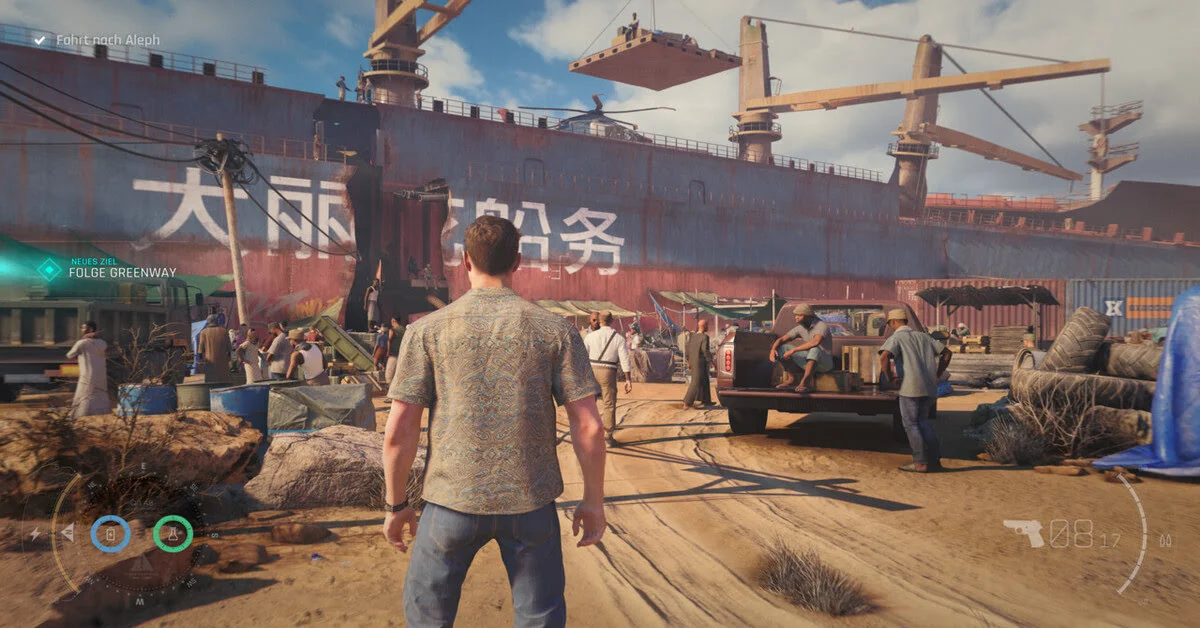
First Light tells an original story about a young Bond in training. Bond is resourceful and, due to his age, somewhat reckless while undergoing the MI6 training program. The game is not tied to any specific Bond actor, film, or predetermined movie scene, granting it complete creative freedom. Consequently, IO can develop a unique Bond specifically tailored for video games.
The young Bond is an excellent fit for the game because he is not yet perfect, allowing room for personal development. The story illustrates how a talented but impetuous agent slowly transforms into 007. There is genuine progression, and both learning and failing are integral parts of the experience.
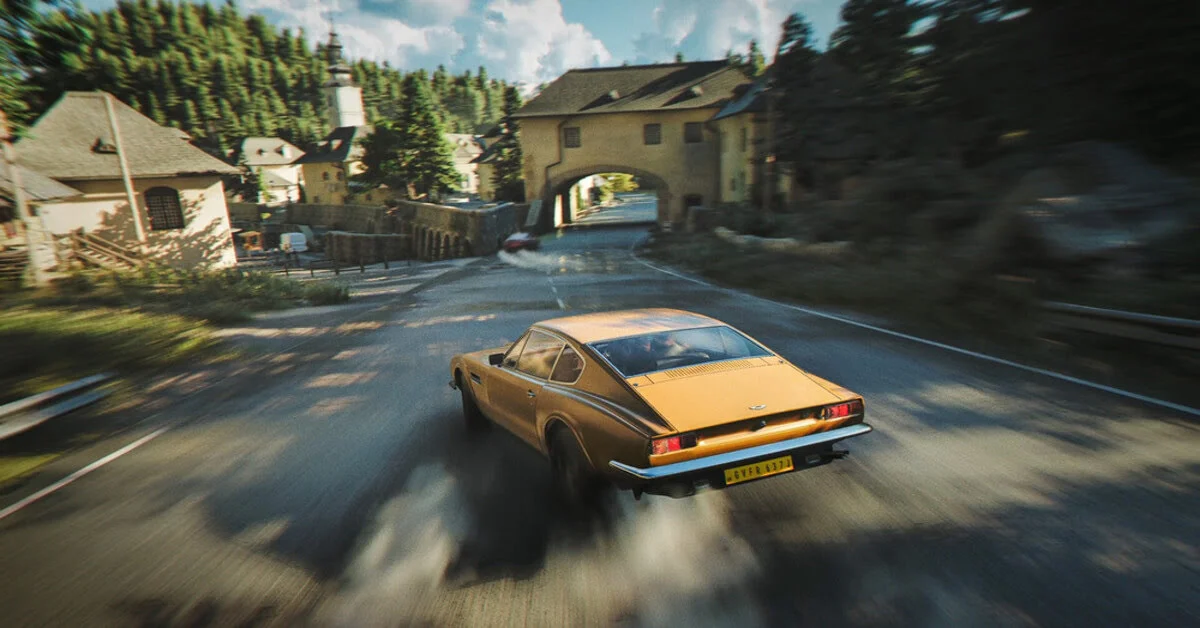
First Light combines action, stealth, gadgets, dialogue, and cinematic set pieces, offering the exact mix crucial for a Bond game. The gadgets are creative and highly useful in many situations. Current reviews particularly praise the Bond atmosphere, the presentation, and the balance between action and stealth. IO Interactive has successfully captured the essence missing from previous Bond games. The game has a 91% player approval rating and has received significant acclaim. It clearly demonstrates that a modern Bond game does not need to copy GoldenEye 007. While that installment was beloved, it is no longer contemporary and relied on features that are outdated today. That magic cannot simply be replicated.
Conclusion: Why 007 First Light is More Than Just a Comeback
Bond has consistently had strong moments in gaming, but also long periods where the license promised more than the games could ultimately deliver. GoldenEye 007 remains the great mythos to this day because it did not just use Bond as a recognizable brand; it crafted a unique gaming experience complete with missions, gadgets, stealth, and legendary multiplayer. Subsequently, EA and later Activision experimented extensively, but 007 Legends clearly showed that familiar movie scenes and the James Bond name alone are not enough.
With 007 First Light, however, Bond now has the opportunity for a genuine reboot. IO Interactive does not have to attempt to copy GoldenEye or artificially revive old nostalgia. A much more compelling idea is the creation of a distinct, modern Bond specifically for gaming. Through the young Bond, the original origin story, gadgets, stealth, action, and cinematic missions, First Light possesses precisely the elements that suit 007 and can make him relevant in gaming once again.
This represents a major opportunity for the future of the franchise. If First Light maintains its success, IO Interactive could build upon it and develop additional Bond games that function as a standalone series. DLCs featuring new missions, locations, gadgets, or previous Bond assignments would also fit perfectly. Perhaps James Bond in gaming does not need another look back, but finally a future of his own.
Hey, I’m Kilian, but online you’ll probably know me as “Tux1243.” I've been part of the team for almost two years now, always trying to keep you in the loop with the latest and coolest gaming news. I also have a huge passion for doing deep dives and detailed analyses of entire game series and franchises. I love getting to the bottom of things and exploring the little details and backstories that make game worlds so fascinating.
Download the Allkeyshop Browser Extension Free
For all the latest video game news, trailers, and best deals, make sure to bookmark us.
You can find all the best and cheapest online deals on CD keys, game codes, gift cards, and antivirus software from the verified CD key sellers on our store pages.
To not miss any news on Allkeyshop, subscribe on
Google News
.
MORE RELEVANT ARTICLES




Comments (0)