




Stop Killing Games: Historic Milestone Reached as EU Verifies 1.2M Signatures

For years, the industry has shifted toward “games-as-a-service,” a model where the “buy” button really means “rent until we decide otherwise.” But the tide is turning. The Stop Killing Games (SKG) movement has just become a formal political force that the European Union can no longer ignore.
As of late January 2026, the European Union has officially verified 1,294,188 signatures for the “Stop Destroying Videogames” initiative.
By comfortably clearing the one-million-signature requirement, the Stop Killing Games campaign has earned a mandatory seat at the table with the European Commission.
This milestone proves that digital ownership isn’t a niche concern for “retro” enthusiasts, but a mainstream demand. With significant support hubs in Germany, France, and Poland, the movement has demonstrated that European citizens are ready to challenge the status quo of ephemeral software.
👉 READ ALSO: Prince of Persia: Sands of Time Remake Canceled
Stop Killing Games: A Historic Win for Digital Ownership
The core of the SKG argument rests on a simple premise: if a game is sold as a one-time purchase, it should remain playable after official support ends.
The campaign isn’t asking for infinite server hosting, but asking for end-of-life contingencies. Whether through offline patches or tools for fan-hosted servers, the goal is to prevent the “planned obsolescence” that currently plagues the industry.
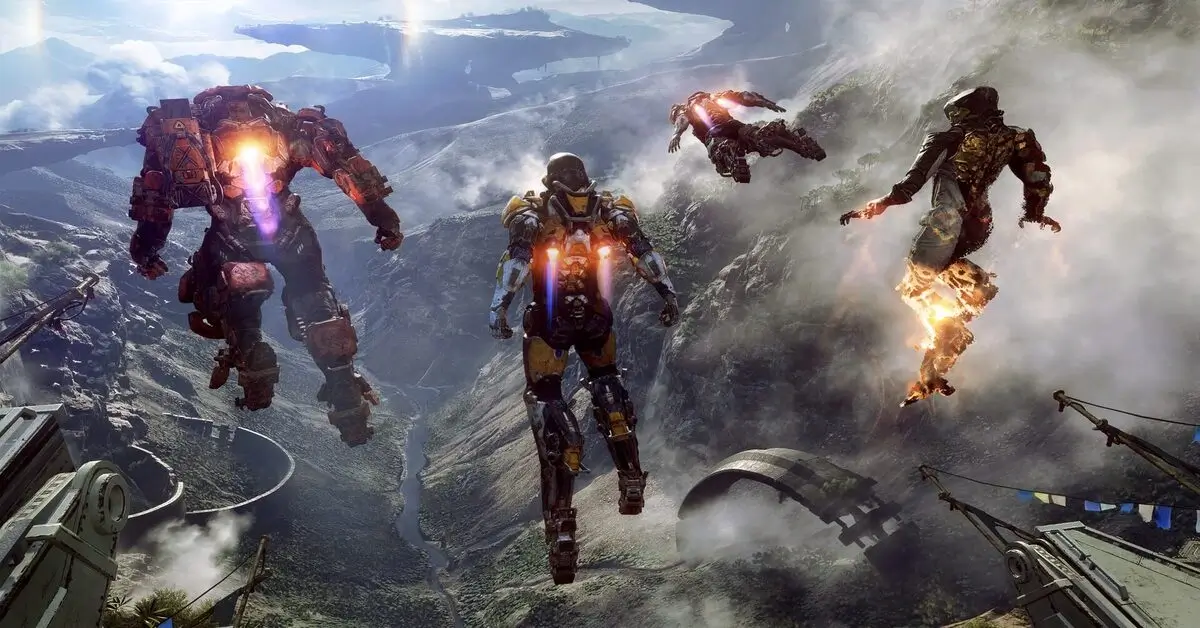
The recent shutdown of BioWare’s Anthem in early 2026 served as a perfect, if painful, case study. Thousands of players were left with an unplayable icon on their dashboards for a game they paid for.
SKG argues that this practice violates basic consumer protections. By framing game destruction as a form of “digital waste,” the initiative is forcing regulators to decide whether software licenses can legally override a buyer’s right to keep what they bought.
Surpassing the EU threshold transforms this movement from a viral petition into a legal powerhouse. The European Commission is now legally obligated to respond. This marks the most significant push for game preservation in history, fueled entirely by the community.
The goal is simple. Ensure that when a publisher stops supporting a game, they leave it in a functional state. Whether through offline modes or end-of-life patches, the initiative demands that “buying” a game actually means owning it.
SKG vs Planned Obsolescence
For years, publishers have used “live service” models to justify killing games once they become less profitable. When servers go dark, your purchase disappears. The SKG movement argues this is a form of planned obsolescence that violates basic consumer rights.
Corporate interests often claim server maintenance is too costly. However, the initiative highlights that providing tools for player-hosted servers or offline play costs almost nothing compared to the total loss of a product consumers paid for.
This battle isn’t just about nostalgia. It’s about setting a legal precedent. If the EU adopts these rules, it could force a global shift in how developers build games, prioritizing longevity over temporary profits and “kill-switches.”
Is Stop Killing Games Good For Gaming?
This movement is the best shot we have at securing a “right to play” forever. The success of this initiative proves that the community can force change if we act together. If these laws pass, your digital library might finally be safe from the “end-of-service” axe.
Do you think publishers should be legally forced to keep games playable offline after server shutdowns?
Fueled by a passion for gaming and the ever-evolving world of gaming news, Daniel loves connecting with seasoned and new players to bring games to life on the page, exploring their narratives and gaming trends. A self-published fiction and fantasy author, Daniel has nearly 20 years of experience writing gaming news and a love for storytelling that drives his enthusiasm to deliver breaking news, in-depth analysis, and industry innovations. You will find him in-game as "Windfell."
Download the Allkeyshop Browser Extension Free
For all the latest video game news, trailers, and best deals, make sure to bookmark us.
You can find all the best and cheapest online deals on CD keys, game codes, gift cards, and antivirus software from the verified CD key sellers on our store pages.
To not miss any news on Allkeyshop, subscribe on
Google News
.
MORE RELEVANT ARTICLES