






Gamers Already Killed NFTs. Now AI Is Walking Into the Same Trap

Ubisoft is reportedly testing generative AI in Far Cry — and players already know how this story ends. They killed NFTs first.
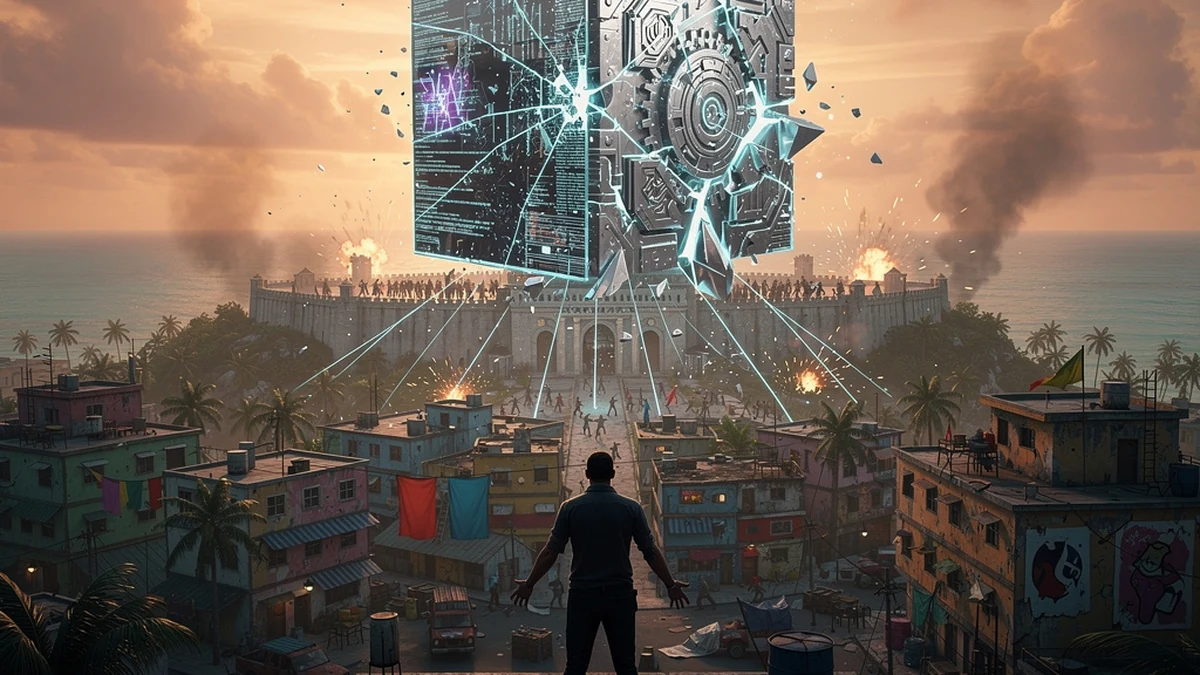
Far Cry® 6 still sits at €59.99 on Steam, but the bigger question on 23 May 2026 is not the sticker price. It is trust. A ResetEra thread and a Reddit discussion surfaced insider claims about Ubisoft testing generative AI in Far Cry. Treat that as a cautious news peg, not proof of final features.

AKS Score (users)
71/100
34.1K reviews
Enter the adrenaline-filled world of a modern-day guerrilla revolution. With stunning vistas, visceral gunplay, and a huge variety of gameplay experiences, it remains a useful reference point for the current trust debate. Compare Far Cry® 6 deals
Released
May 11, 2023
Developer
Ubisoft Toronto, Ubisoft Montreal, Ubisoft Kyiv, Ubisoft Shanghai, Ubisoft Berlin
Publisher
Ubisoft
Available on
Xbox Series · PC · PS5
Tags
ActionAdventure
Steam CD-key, own it forever
Steam Account, try it cheaper
Publishers already tried to sell players on blockchain, NFT cosmetics, artificial scarcity, and permanent digital ownership stories. The pitch sounded futuristic. The reaction was brutal. Now AI is arriving with similar language: efficiency, tools, scale, faster content, bigger worlds. Players recognize the pitch before they even know the details.
Players are not anti-technology. PC gaming is built on modding, upscalers, ray tracing, procedural generation, server tools, accessibility features, and wild technical experiments. The problem starts when a new tool looks less like craft and more like a way to cut writers, automate filler, flatten voices, or turn a full-price game into a corporate lab.
Far Cry Is the Perfect AI Panic Button
The Far Cry report matters because Ubisoft is one of the publishers players already associate with vast maps, repeated activities, monetization experiments, and corporate tech slogans. The current claim is narrow and unverified: insiders say Ubisoft has tested generative AI for Far Cry research and development. That is not the same as saying Far Cry will ship AI quests, AI NPCs, or synthetic story content.
The danger is perception, and perception moves faster than confirmation. If players imagine an Ubisoft open world where camps, radio chatter, side quests, or rebel dialogue are machine-filled, the fear is not really about the model. It is about the suspicion that the next huge map could become larger but thinner. The backlash starts before Ubisoft has even explained what the testing means.
Players Do Not Hate Tools, They Hate Being Served Filler
The AI backlash in games is psychological before it is technical. Players accept technology when it clearly serves the experience: better performance, smarter accessibility, better matchmaking, sharper animation pipelines, or tools that let developers make more interesting things. They reject it when the pitch sounds like fewer humans, cheaper writing, synthetic voices, and endless generated errands.
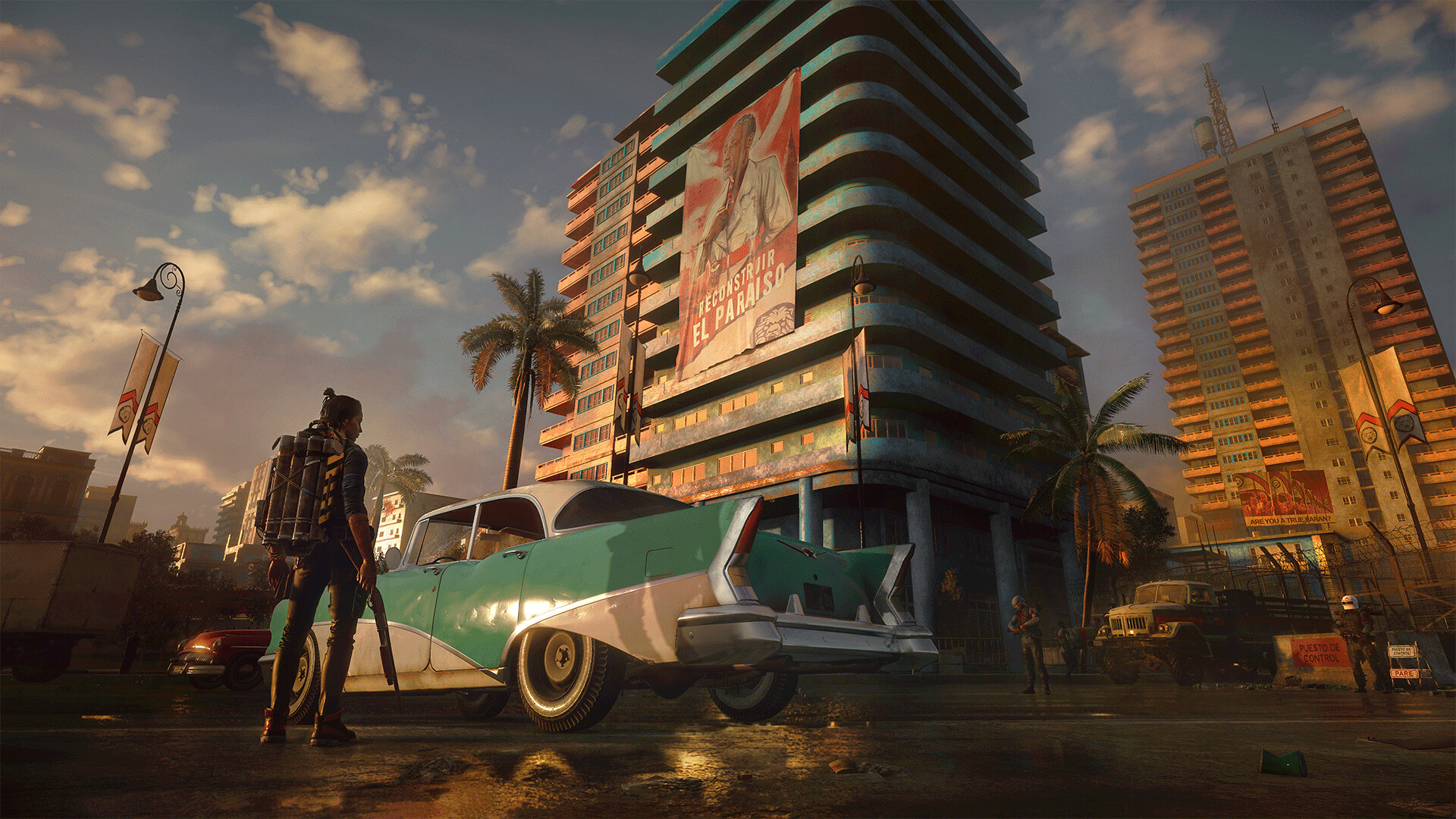
The Finals voice controversy reported by IGN became bigger than a single shooter for exactly that reason. The argument was not only whether AI voices worked. It was whether speed and savings were being presented as player value. Valve then responded at platform level with Steam AI disclosure rules, which shows the industry knows trust now needs labels, not just promises.
NFTs Became Toxic Because Players Made Them Toxic
The crypto comparison is not lazy. It is the clearest modern example of players rejecting a technology because the surrounding business model smelled wrong. Ubisoft Quartz attached NFT cosmetics to Ghost Recon Breakpoint, then the experiment became a reputational case study. PC Gamer and The Verge both covered how awkward the project looked once Breakpoint support wound down.
STALKER 2 also backed away from NFT plans after backlash, and Team17 cancelled MetaWorms after a loud negative response. The common thread was not that every player had read a white paper. It was simpler: players believed the feature existed for the publisher first and the game second. Once that suspicion sticks, wishlists, Reddit threads, Steam reviews, refunds, streamers, and reputation do the rest.
The Smart Move Is Not Panic, It Is Proof
For PC players, the buyer verdict is practical. Do not assume AI makes a game worse, or that publisher AI language makes a game better. Wait for proof. Read recent Steam reviews, check whether AI affects writing, quests, voices, art, moderation, or only internal tools, then decide if the final game still feels authored, generous, and worth your money.
That is especially true with Ubisoft games. Far Cry® 6 has 166 AKS offers, with the Far Cry 6 CD-key page showing CD-key deals around €8.49 and Steam Account options around €4.50, far below the €59.99 Steam price. If a publisher turns a game into a tech experiment, the safest answer is simple: wait, verify, compare the live offers, and never pay blindly.
Competitive gaming veteran and Infographics Creator at AllKeyShop, Lionel 'Gen' Bernard made his name in the early days of esports as a professional Unreal Tournament player, competing at the highest level when competitive FPS was still in its infancy. Founder of AllKeyShop, he now brings his competitive DNA to data-driven visual storytelling, producing original infographics and editorial content. His work maps the global gaming landscape through the lens of someone who's lived it from both sides: the arena and the industry.
Download the Allkeyshop Browser Extension Free
For all the latest video game news, trailers, and best deals, make sure to bookmark us.
You can find all the best and cheapest online deals on CD keys, game codes, gift cards, and antivirus software from the verified CD key sellers on our store pages.
To not miss any news on Allkeyshop, subscribe on
Google News
.