









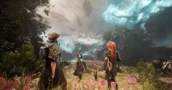

Pixel Sundays: Gothic – Why the German RPG Is Still a Cult Classic

Gothic is one of the most significant German role-playing game franchises of all time. Originally released in 2001 by Piranha Bytes, the first installment was highly praised for its harsh world and immersive atmosphere. Rather than following a classic hero’s journey, you begin as a nameless prisoner trapped within a magical barrier, where various camps battle for power, ore, and survival.
Summary
- Gothic 1: The Beginning in the Penal Colony
- The Living World as the True Star
- Why Gothic Maintains Cult Status in Germany
- Gothic 2 and Gothic 3: The Evolution of the Series
- The Gothic 1 Remake as a Major New Opportunity
- Conclusion: Gothic Was Never Perfect, and That is Exactly What Made It Special
It is precisely this gritty atmosphere that makes Gothic stand out to this day. There is no flawless fantasy world, but rather a perilous environment filled with distrust. With the release of the Gothic 1 Remake on June 5, 2026, the franchise is once again highly relevant. Therefore, we are looking back at the entire history of the series today.
Gothic 1: The Beginning in the Penal Colony
Released in 2001, Gothic 1 was developed for the PC by the German studio Piranha Bytes. In the game, you assume control of a nameless hero and start as a convicted prisoner. You find yourself in the mining colony of Khorinis, where a magical barrier traps everyone inside. However, no further story details will be revealed here to avoid spoilers.
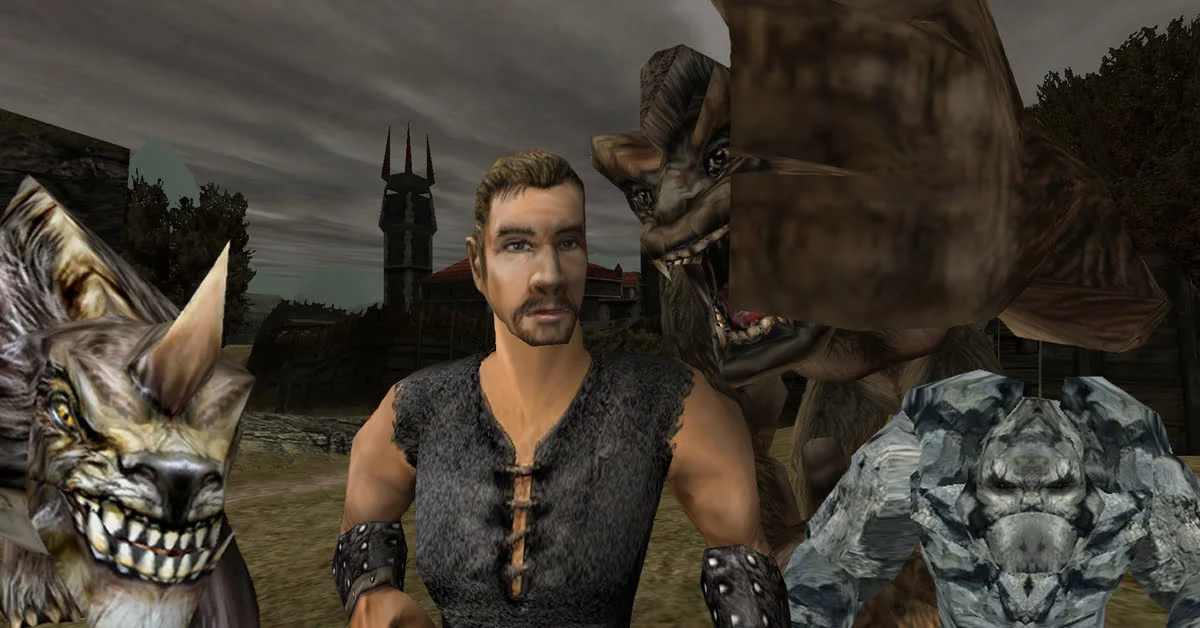
The game offers no comfortable introduction and does not hold your hand. Fitting the setting, the beginning feels deliberately harsh, and you must earn your progression. Every upgraded weapon you unlock makes you noticeably stronger, and every new piece of armor alters your sense of security. While the world itself is not massive, it is incredibly dense. Many locations appear highly dangerous long before you are adequately prepared to explore them.
You are provided with very few map markers, which fosters a genuine sense of adventure. The NPCs are rough around the edges, yet this makes them credibly suited to the world. The game is also imbued with a dry, direct sense of humor. The setting leans toward gritty low fantasy, where not everything is friendly or heroic. Initially, you are merely a part of this world, not its savior. THQ Nordic, the publisher, accurately describes Gothic Classic as a brutal open-world RPG filled with danger and meaningful choices.
The Living World as the True Star
Gothic thrives profoundly on its dark fantasy setting. The environment is not merely a backdrop, but an independent, functioning system. NPCs follow daily routines: they work, converse, sleep, and traverse the world. This grants the surroundings an exceptional level of credibility, giving you the impression that the world operates entirely without your intervention. Animals and adversaries feel like natural inhabitants rather than generic enemies placed solely for the sake of action. Furthermore, subtle details are scattered throughout, reinforcing the world’s authenticity.
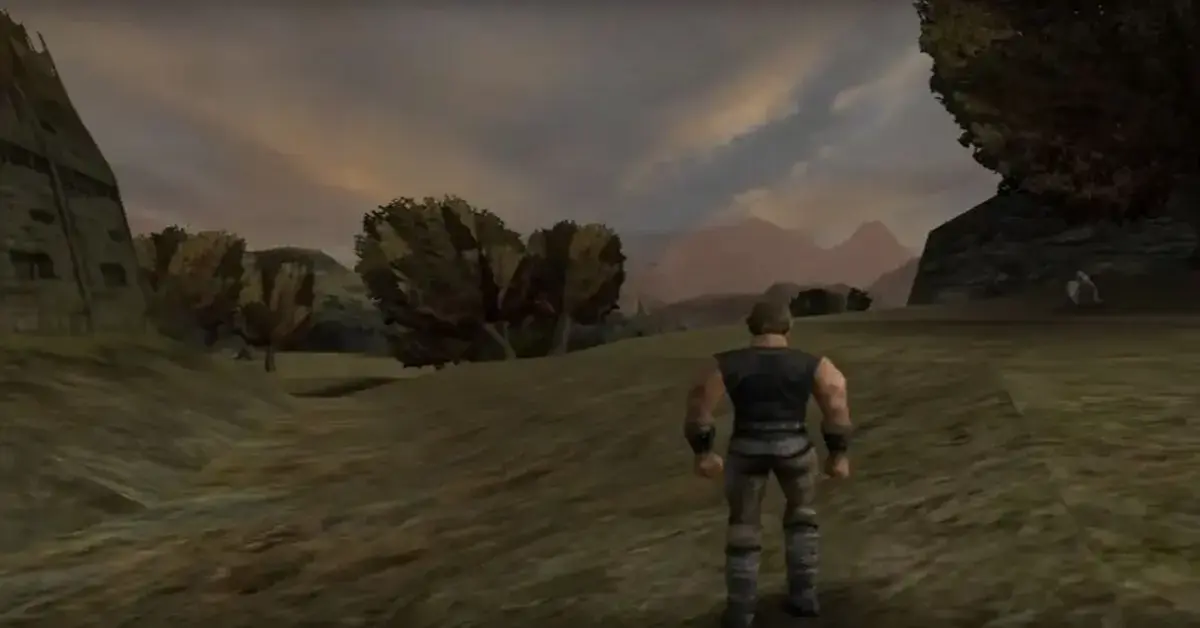
Every camp adheres to its own rules, each faction possesses a distinct atmosphere, and every location offers a unique feel. This is the essence of the Gothic universe, where different areas present entirely contrasting experiences. Not every newly discovered zone is immediately safe, and this inherent danger is a crucial element of the overall atmosphere. Exploring the world is particularly rewarding, yielding numerous details, items, and other valuable discoveries.
Despite its hazards, the world is highly memorable; you will easily recall paths, individuals, and specific locations. It is not a sterile open world driven by checklists, but rather one you explore to acquire knowledge. While compact, the environment is meticulously handcrafted and brimming with detail. Many modern open-world titles may boast larger maps but often feel substantially less personal. Gothic might be smaller in scale, but it delivers a far more intense experience. The Remake aims to capture and revitalize this vibrant world.
Why Gothic Maintains Cult Status in Germany
The Gothic games originated from the German studio Piranha Bytes, based in Bochum. At the time, Germany was primarily recognized for strategy games, with very few major RPGs emerging from the country. Most notable RPGs were developed in the United States. Consequently, Gothic possesses a distinctly different feel compared to many international titles. The developers endowed the game with a rougher language, a more direct humor, and far less heroic gloss than its contemporaries. The title introduced more grime, greater distrust, and an overarching struggle for survival.
The German voice acting, in particular, remains a prominent topic among fans to this day, as many of the jokes were remarkably memorable. Unfortunately, the game was not entirely polished from a technical standpoint upon release, yet its cult status did not stem from perfection. Gothic left a lasting impression on players through its unmatched atmosphere and compelling characters. The fan community remains highly active today. Modifications, extensive discussions, and deep nostalgia keep the franchise alive, ensuring that even after 25 years, Gothic is still a frequent topic of conversation.
Gothic 2 and Gothic 3: How the Series Evolved After the First Entry
Gothic 2 further expands upon the original formula. The world is larger, features more explorable locations, and incorporates more classic fantasy elements. Nevertheless, the game retained its original, harsh Gothic tone. For many fans, Gothic 2 is considered the pinnacle of the series. The expansion, Night of the Raven, makes Gothic 2 even more extensive and demanding. Night of the Raven introduced more quests, character options, and a stronger focus on adventure. However, the DLC also significantly increased the difficulty curve, making the game noticeably less beginner-friendly.
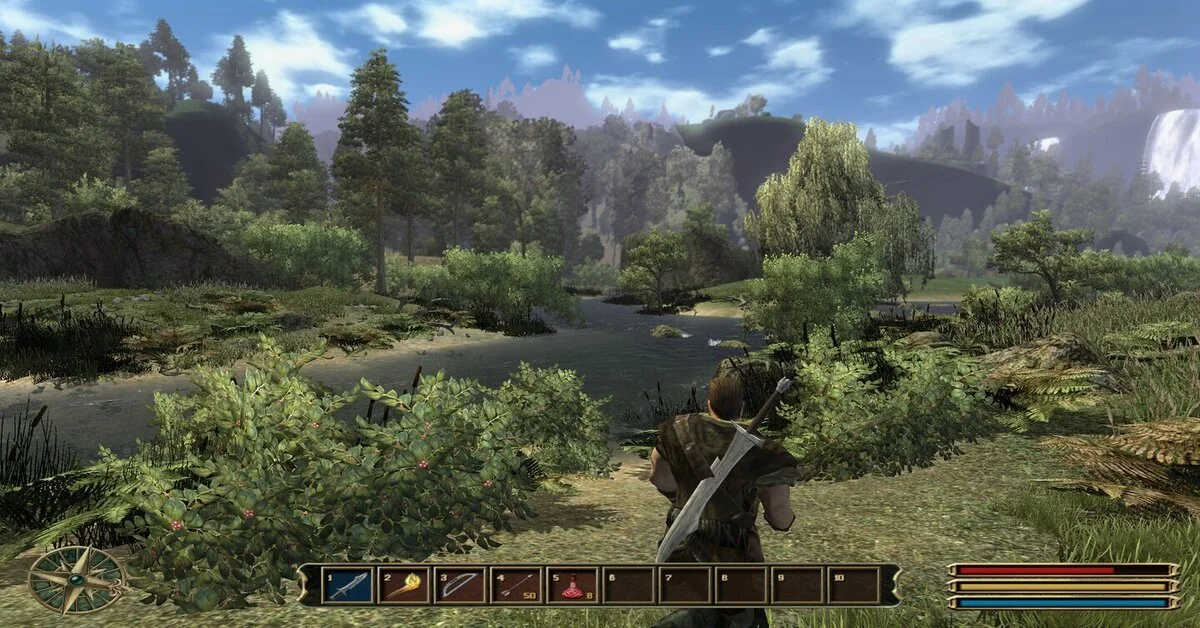
With Gothic 3, the franchise took a step toward a more open world in 2006. As a result, the game automatically gained a larger scope and, naturally, more freedom. In exchange, the world is less densely structured than its predecessors, leaning more heavily toward a traditional open-world experience. Unfortunately, this massive world also brought a large number of bugs, which were ultimately resolved primarily through community mods.
The Gothic 1 Remake as a Major New Opportunity
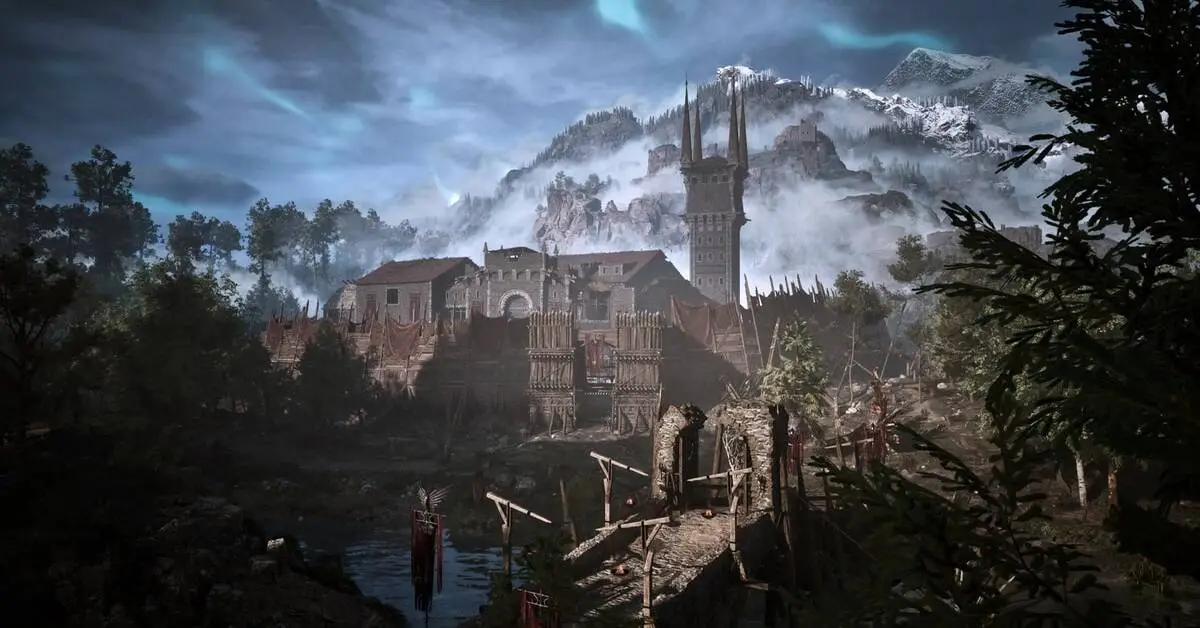
Now, on June 5, 2026, the Gothic 1 Remake has been released for PC, PlayStation 5, and Xbox Series. This title was developed by Alkimia Interactive and published by THQ Nordic. The original studio has been a subsidiary of THQ Nordic since 2019 and was therefore able to have some input on the remake. The game is a complete reimagining of the 2001 original, bringing modern graphics, technology, and a new engine to the old cult classic. Yet, it is not just the visuals that have been improved, but the world itself. It still feels harsh and dangerous, and as a player, you feel small and vulnerable. However, the game has been made more accessible to a broader audience through several difficulty adjustments.
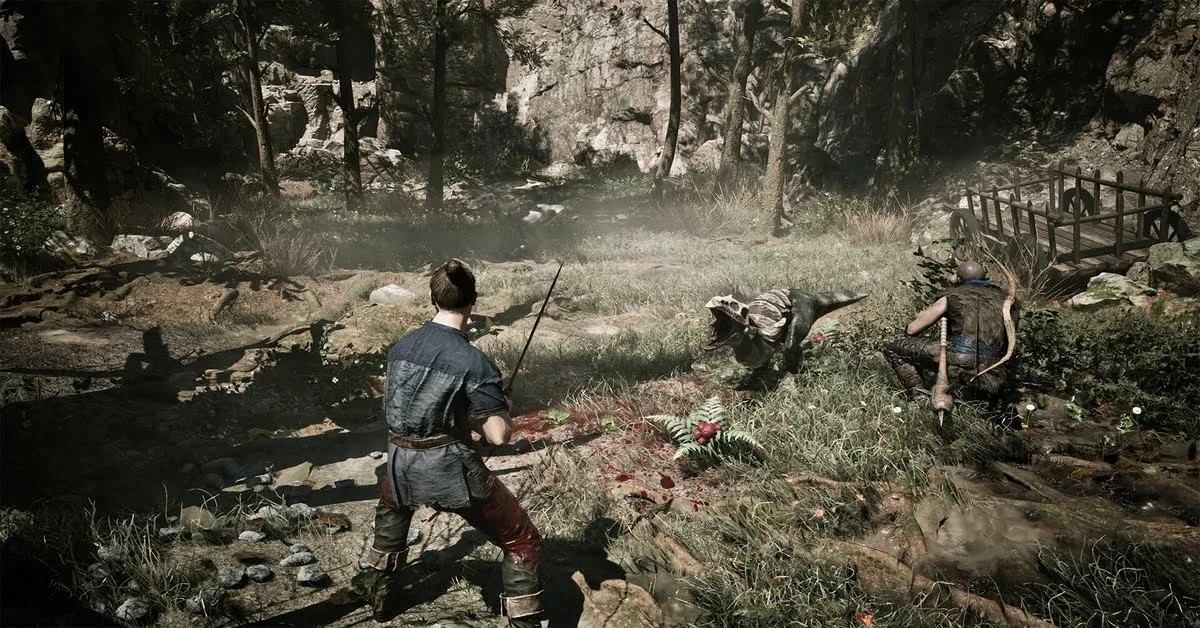
The world features more open-world elements, yet it is entirely hand-crafted. The environment is designed to react dynamically to your actions. However, even though the game is more of an open-world experience now, it is not a world where you mindlessly check off tasks; instead, it encourages natural exploration. You can get to know the different factions, and there are numerous nostalgic elements woven into the game. Because of this, the game may not feel 100% polished, but that is intended to capture the original charm of Gothic.
Furthermore, the combat system has been modernized in the new Gothic Remake. The core mechanics of the original are still present but updated for modern times. The original combat was highly idiosyncratic and notoriously difficult to balance. Naturally, dedicated fans may miss the old system, but modern players expect more fluid gameplay. Nevertheless, the developers did not want things to become too simple; every weapon has its weight, and enemies remain dangerous. Acquiring better equipment still feels like a genuine progression that you have truly earned.
Conclusion: Gothic Was Never Perfect, and That is Exactly Why It is Special
Gothic is not a franchise that has survived through perfection. It endures through its atmosphere, its rough edges, and a world that still feels more authentic today than many massive open-world titles. The first installment was raw, Gothic 2 became the pinnacle for many fans, and Gothic 3 demonstrated how ambitious, yet also how chaotic, this series could be.
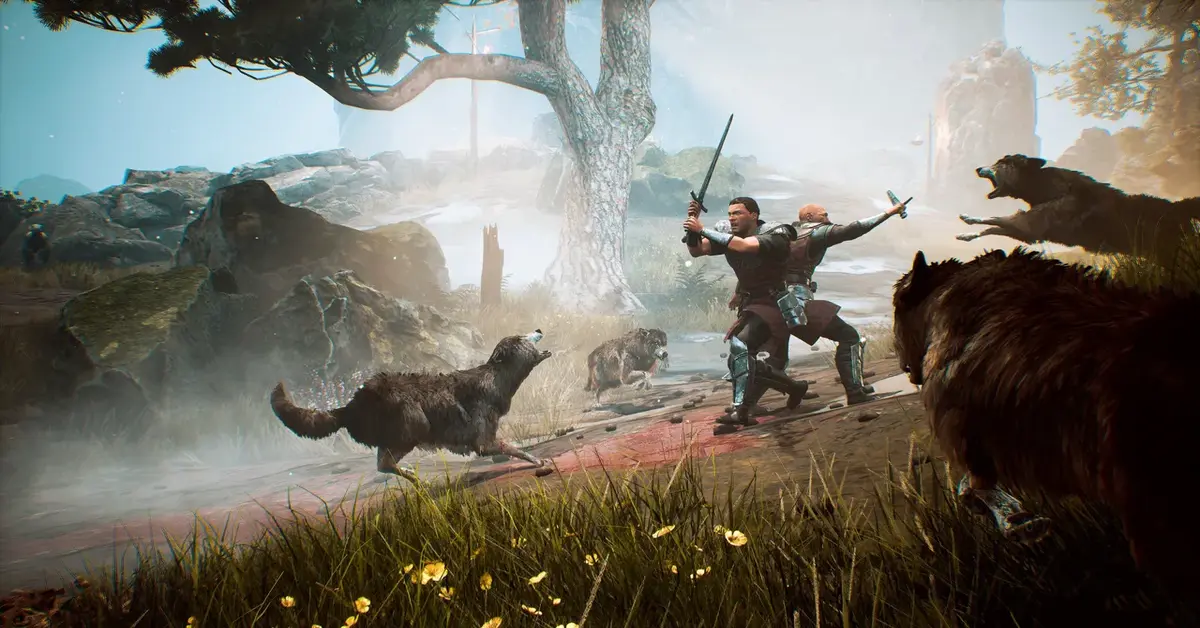
That is precisely why Gothic is a perfect fit for Pixel Sundays. It is a franchise discussed not merely in terms of sales figures or graphics, but because of the memories it creates. Because of that first journey to the Old Camp. Because of the moment you finally grow stronger. Because of a world that does not wait for the player, but instead makes them feel small from the very beginning.
With the Gothic 1 Remake, this series now has a fresh opportunity. The overarching question is not merely whether the remake is modern enough. The more important question is whether it still feels like Gothic.
Hey, I’m Kilian, but online you’ll probably know me as “Tux1243.” I've been part of the team for almost two years now, always trying to keep you in the loop with the latest and coolest gaming news. I also have a huge passion for doing deep dives and detailed analyses of entire game series and franchises. I love getting to the bottom of things and exploring the little details and backstories that make game worlds so fascinating.
Download the Allkeyshop Browser Extension Free
For all the latest video game news, trailers, and best deals, make sure to bookmark us.
You can find all the best and cheapest online deals on CD keys, game codes, gift cards, and antivirus software from the verified CD key sellers on our store pages.
To not miss any news on Allkeyshop, subscribe on
Google News
.
MORE RELEVANT ARTICLES






Comments (0)