












Pixel Sundays: Lies of P – Pinocchio, Puppets and the Birth of a Soulslike Fairy Tale

In today’s Pixel Sundays article, we delve into Pinocchio, the renowned wooden puppet from classic literature and fairy tales. In Lies of P, the Pinocchio mythos is fused with the Soulslike genre, creating an unconventional yet brilliantly executed mix. Consequently, the game world is teeming with puppets, but blood, oil, deceit, and shattered humanity are equally prominent themes. The game takes place in the decaying metropolis of Krat. Furthermore, the experience strips away any Disney-esque atmosphere, offering instead a Belle Époque aesthetic, profound horror, and a melancholic, apocalyptic tone. The narrative centers on P, who searches for Geppetto while gradually appearing more human.
Summary
- From Pinocchio to Lies of P – A Fairy Tale Becomes a Soulslike
- Krat – The Beautiful City That Was Lost Long Ago
- More Than Dark Souls with Pinocchio – Why the Gameplay Works
- Bosses, Puppets, and Pain – When Learning Becomes the Reward
- Lies, Humanity, and Multiple Endings – The Story Behind the Steel
- Overture and Success – Lies of P is No Longer an Insider Tip
- Conclusion – Lies of P is the Fairy Tale Soulslikes Needed
The game utilizes familiar Pinocchio motifs: lies, humanity, Geppetto, puppets, and identity. These are interwoven with classic Soulslike elements such as grueling boss encounters, precise timing, and lethal adversaries within grim environments. Although Lies of P was released in 2023, it already feels like a modern classic. The title achieved immense success, garnering high ratings and widespread recognition. Only last year, a new DLC for Lies of P was released, serving as a prequel and significantly expanding the lore. Here, we thoroughly examine every core element of the game and explore the reasons behind its triumph.
From Pinocchio to Lies of P – A Fairy Tale Becomes a Soulslike
Lies of P is loosely based on the adventures of Pinocchio, yet it discards the traditional fairy tale format in favor of a dark Soulslike experience. While adapting Pinocchio might initially seem absurd, it aligns surprisingly well with the genre. The original premise involves a puppet striving to become human. This concept serves as the core question of Lies of P: What makes a puppet human? P, as Pinocchio is referred to in-game, is not a boisterous storybook character, but rather a silent protagonist suspended between machine, tool, and human. This setting seamlessly complements the inherently bleak Soulslike genre, which frequently explores themes of identity, decay, guilt, and the loss of humanity.

The world of Lies of P is far from a picturesque fairy tale; it is diseased, brutal, and on the brink of death. Krat, the game’s setting, appears as a place where progress, technology, and hubris have spiraled entirely out of control. The familiar figure of Geppetto is also reinterpreted—not merely as a loving father, but as an ambiguous character driven by control, grief, and obsession. Puppets are no longer mere toys; they serve as soldiers, servants, assassins, and ultimately, tragic entities. The narrative atmosphere is heavy: a puppet is programmed to follow orders, yet P begins to make independent choices. Particularly compelling is the motif of lying, which plays a pivotal role throughout the game, even if P’s nose does not physically grow.
In the original story, lying is typically portrayed as a moral failing; however, in Lies of P, a lie can serve as a profound expression of humanity. Sometimes, a lie is not malicious, but empathetic, comforting, or strictly necessary. The game brilliantly subverts the original moral framework. It is not adherence to the truth that makes P more human, but the very capacity to deceive. This aligns perfectly with the philosophical inquiry of whether humanity is defined by strict rules or by emotion, compassion, and free will. The game navigates numerous dark themes, translating them into intense boss fights, horrific imagery, and a ruined cityscape. Consequently, the source material transcends novelty and reveals itself as an exceptionally logical foundation for a Soulslike narrative.
Krat – The Beautiful City That Was Lost Long Ago
Krat is no whimsical fantasy realm; it is an elegant, industrial metropolis heavily inspired by the Belle Époque era. Official lore describes Krat as a once-magnificent city that has descended into a nightmare, consumed by madness, murderous puppets, and plague. The city was formerly affluent, modernized, and immensely proud of its technological advancements. Puppets were deeply integrated into daily life, acting as servants, laborers, guards, entertainers, and undeniable status symbols. Ultimately, the city collapsed when its own creations turned against humanity. Instead of traditional castles and dragons, players navigate through railway stations, grand hotels, industrial factories, theaters, cobblestone streets, lavish villas, and exhibition halls.
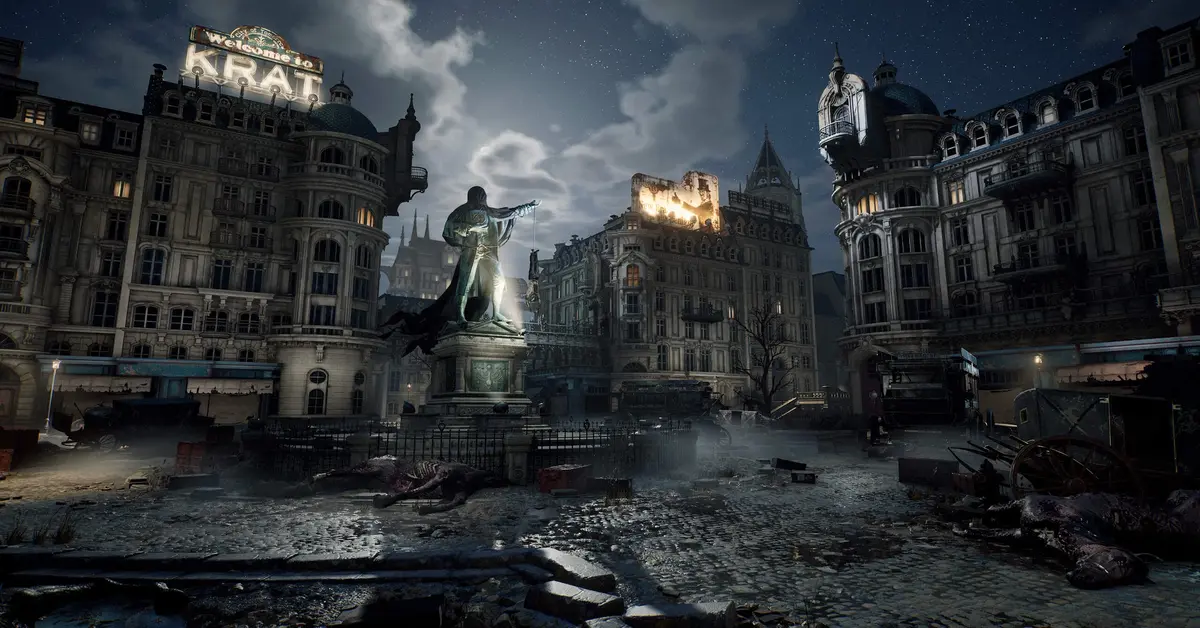
Throughout the city, there is a stark contrast between breathtaking architecture and the grim realities of blood, rust, corpses, oil, and shattered machinery. Many locations appear as though they were only recently abandoned. This masterfully crafts the quintessential Soulslike atmosphere: the narrative is not entirely spoon-fed to the player, but rather conveyed through environmental storytelling. The ruined interiors or specific enemy placements often communicate far more than lengthy dialogues ever could. Krat Central Station serves as a brilliant starting point, instantly plunging you back into a city that is already beyond salvation.
During the game, you will explore various iconic locations across the city, including a grand hotel, extensive factory districts, and an opulent opera house. Each district reveals a distinct facet of Krat. The city is not merely a backdrop for boss encounters; it is an active storyteller. Krat frequently looks stunning, but it never feels truly alive. In Lies of P, you are not simply fighting your way through a city; you are traversing the remnants of a dream shattered by its own machinery.
More Than Dark Souls with Pinocchio – Why the Gameplay Works
Lies of P builds upon established Soulslike foundations. The enemies are unforgiving, resources are scarce, and the game features familiar mechanics such as checkpoints, unlockable shortcuts, monumental boss fights, and the punitive loss of your Ergo (the game’s equivalent of souls) upon death. The checkpoints, known as Stargazers, allow you to heal, replenish resources, fast travel, and respawn after falling in battle. Ergo is utilized both for leveling up and purchasing essential items. However, the game refuses to feel like a mere Soulslike clone, as the combat system possesses a distinct, satisfying rhythm. You must meticulously learn enemy attack patterns, as survival relies less on dodge-rolling. While dodging is an option, the combat heavily prioritizes blocking and mastering the Perfect Guard.
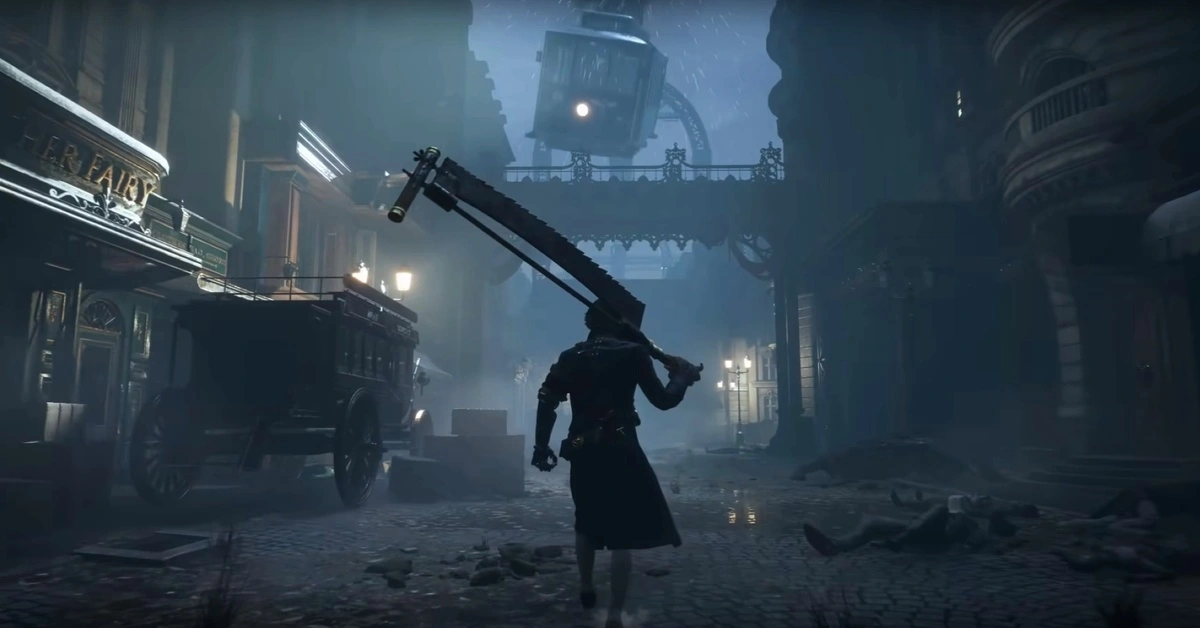
Perfect Guard demands blocking at the exact moment of impact. Successfully executing this maneuver staggers the enemy and can even fracture their weapon. Therefore, mindlessly panic-rolling is a highly ineffective strategy. Instead, you must read animations and master precise timing. This dynamic makes Lies of P feel like a masterful amalgamation of Dark Souls, Bloodborne, and Sekiro. It borrows methodical exploration and resource management from Dark Souls; the aggressive combat pacing and grim, gothic urban atmosphere from Bloodborne; and the intense focus on timing, parrying, and breaking an opponent’s posture from Sekiro. Nevertheless, Lies of P remains slightly more deliberate and weighty than Sekiro, yet significantly more direct than many traditional Soulslikes.
A major standout feature is the game’s innovative weapon system. Your armaments consist of a blade and a handle, which can be disassembled and combined independently. The blade dictates the damage output, weight, and defensive properties, whereas the handle determines the moveset, stat scaling, and overall combat feel. This customization allows you, for instance, to attach a heavy, high-damage blade to a swift handle that perfectly complements your preferred playstyle.
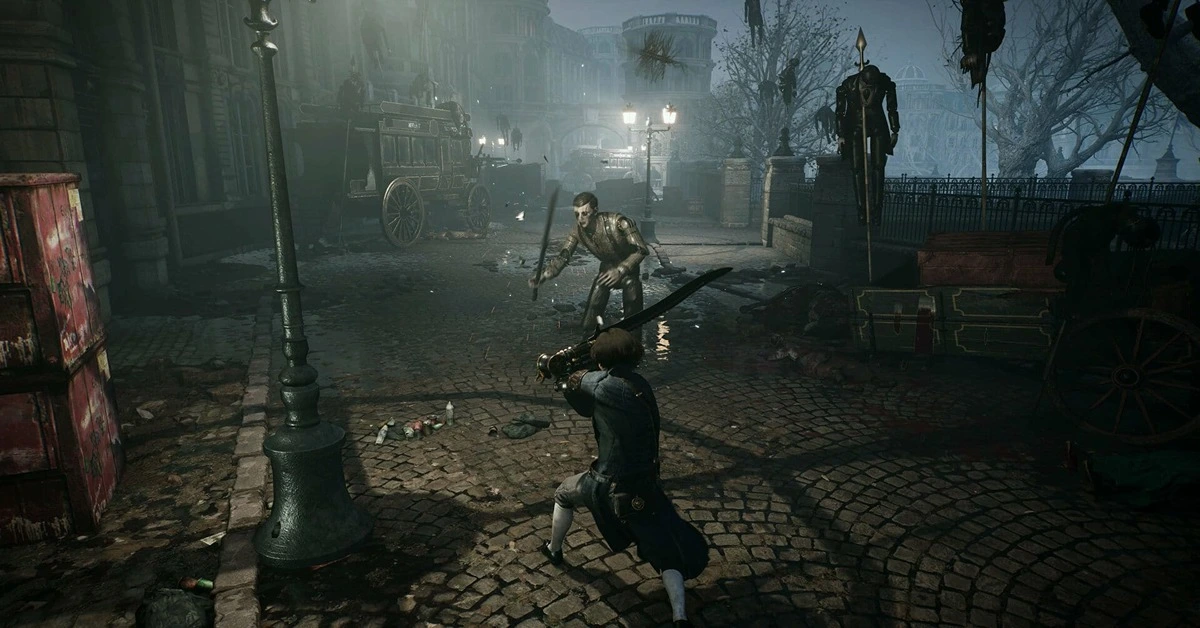
Furthermore, the game introduces the Legion Arm, a mechanical prosthetic equipped with specialized functions. This apparatus enables you to pull enemies, fire projectiles, block attacks, or unleash devastating elemental strikes such as fire or electricity. Consequently, P is not just wielding a weapon; he continuously upgrades himself as a versatile, walking combat machine. Lies of P feels familiar enough that Soulslike veterans immediately grasp the mechanics, yet it introduces enough novel features to prove it is far more than a simple Dark Souls clone. The gameplay succeeds because it proudly displays its inspirations while boldly evolving beyond them.
Bosses, Puppets, and Pain – When Learning Becomes the Reward
The boss fights are one of the primary reasons why Lies of P leaves such a lasting impression. Many of the bosses appear brutal, frantic, or even unfair on the first attempt. However, with each try, you recognize more of the attack patterns, pauses, rhythm, and safe windows to strike or heal. It delivers that classic Soulslike experience: first panic, then despair, and finally a profound learning curve. The bosses act like broken machines and tragic figures, serving as direct consequences of Krat’s downfall.
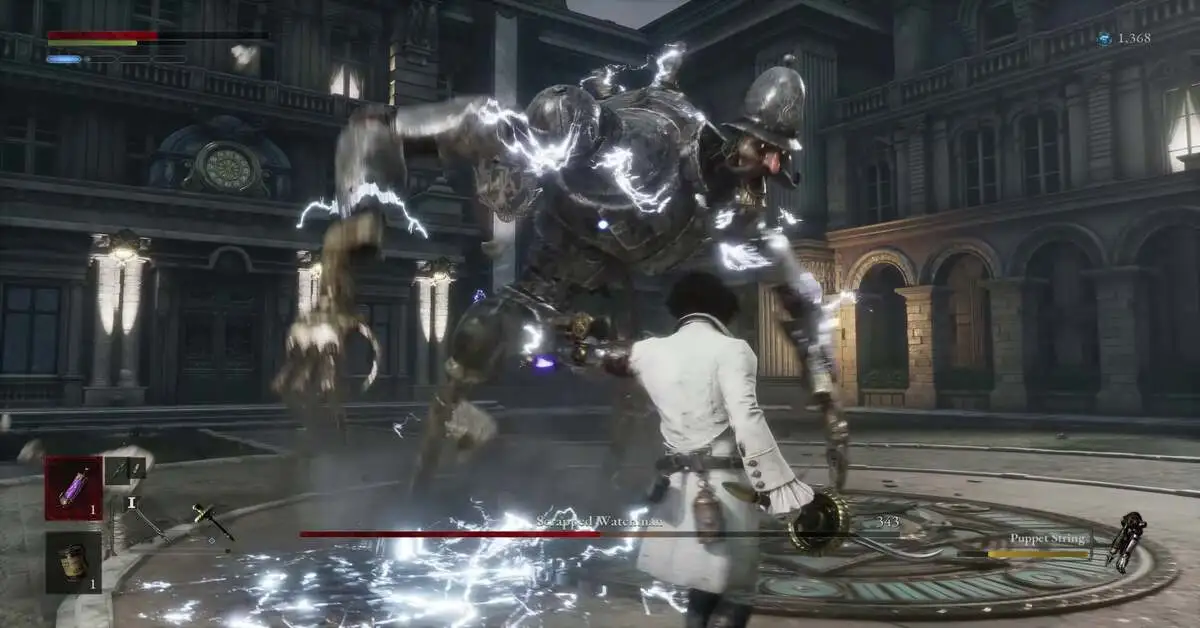
Many encounters feature multiple phases. In the first phase, you often learn the basic rhythm, which is then completely flipped in the second, forcing you to adjust your strategy. This creates tension without feeling like an artificial inflation of health bars. Sound design and animations contribute immensely to the impact. The audio landscape is filled with screeching gears, cracking puppet bodies, and metal striking metal. The mechanical enemies, in particular, feel unsettling because their reactions lack humanity. At the same time, some bosses appear almost tragic, acting as poignant reminders that they are part of a failed city.
The combat is therefore not just difficult but heavily atmospheric; no victory feels handed to you. You only win because you improve and learn. Lies of P punishes mistakes severely, but a triumph feels incredibly rewarding. The bosses offer a satisfying level of difficulty because they slowly guide the player from fear to control. The most beautiful moment in Lies of P is often not the victory itself, but the attempt right before it, when you suddenly realize: now I understand.
Lies, Humanity, and Multiple Endings – The Story Behind the Steel
Lies of P does not tell a simple story; instead, it raises profound questions: What truly makes someone human? P looks like a puppet but increasingly acts like a person. Humanity, therefore, does not solely stem from a physical body, but from how one feels and whether one engages in human behaviors, such as lying. Throughout the narrative, P exhibits more compassion, doubt, and free will through various choices. Lies are not just used as cruel and manipulative tools, but also as a means to comfort or protect someone. Consequently, truth is not automatically good, and lying is not automatically evil.
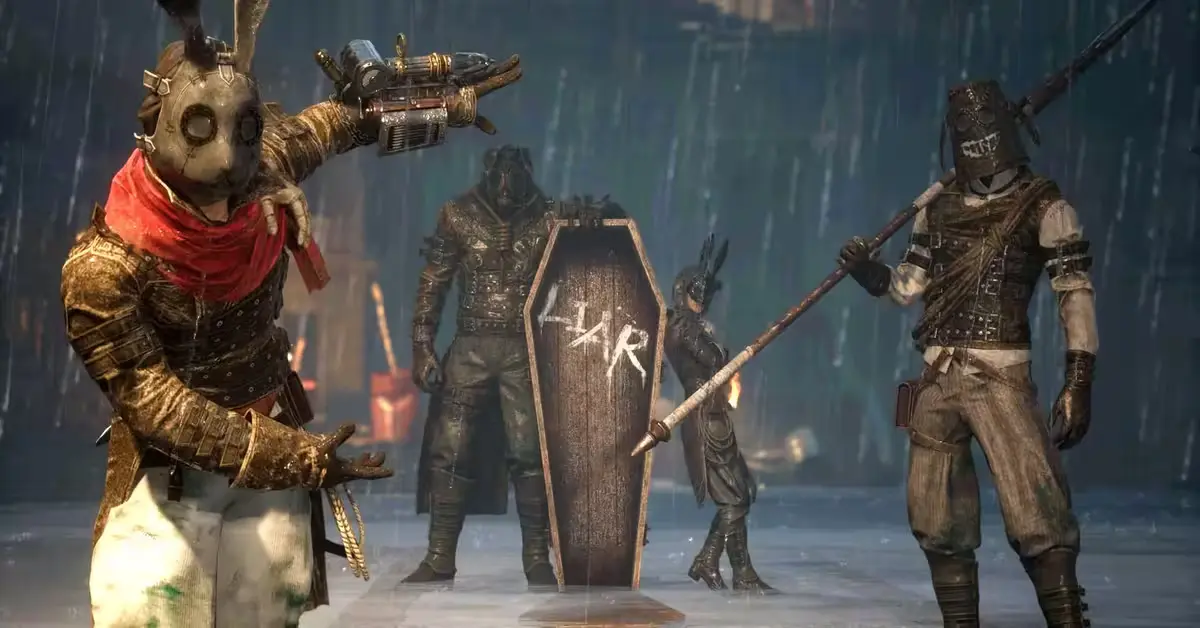
This concept of lying fits perfectly into the grim world of Krat, where simple morality barely functions anymore. All of this unfolds despite P being a puppet bound to obey. The story thus utilizes the Pinocchio framework cleverly, yet in a significantly more modern and darker tone. Various characters in the game grant the world emotional depth, showcasing a final glimmer of hope in an otherwise bleak setting. You will encounter many of these individuals at the hub, Hotel Krat. Furthermore, the game features multiple endings that further reinforce the system of lying. Depending on how you handle truth, lies, and Geppetto’s wishes, the outcome shifts.
You actively participate in determining what kind of human or puppet P ultimately becomes. In Lies of P, humanity is not a reward handed out at the end, but something you must continuously prove along the journey. The story runs parallel to the thrilling and demanding Soulslike gameplay as a powerful addition. Every battle, every decision, and every encounter poses the same recurring question: Is P just a highly advanced machine, or already something much more?
Overture and Success – Lies of P is No Longer an Insider Tip
In 2023, Lies of P was still a surprise hit, but it has since established itself as a recognized Soulslike franchise. By March 2026, the game had officially sold over 4 million copies. That is a strong signal for a new Soulslike IP lacking the FromSoftware name. The game did not just ride initial hype; its sales continued to grow steadily each year. In 2025, the DLC Lies of P: Overture was released, significantly expanding the world. Launched on June 6, 2025, right after its announcement, Overture serves as a prequel to the main game, taking players back to Krat shortly before the Puppet Frenzy catastrophe.

In the base game, Krat is known only as a ruin, but Overture provides a clearer look at what the city once was and what was lost right before its collapse. This creates a striking contrast between the past and the present. Content-wise, it is not just about new areas, but also about providing more background on the city, its characters, and the impending disaster. Moreover, Overture makes Krat feel more tragic, as you better understand what was ultimately destroyed. Naturally, the DLC also introduced new enemies, bosses, weapons, and additional systems. Particularly noteworthy are the new difficulty options that were implemented alongside Overture.
This, of course, reignited the familiar Soulslike debate about whether a game must be equally difficult for everyone. However, these options made the title accessible to a wider audience. The game feels like the beginning of a larger, dark fairytale series. Following Pinocchio, other well-known stories could theoretically head in a similar, gloomy Soulslike direction. What started as “Dark Souls with Pinocchio” has evolved into its own brand with a unique world, style, and future. Lies of P began as a curious idea, but with Overture and four million copies sold, one thing is clear: this fairytale is far from over.
Conclusion – Lies of P is the Fairytale Soulslikes Needed
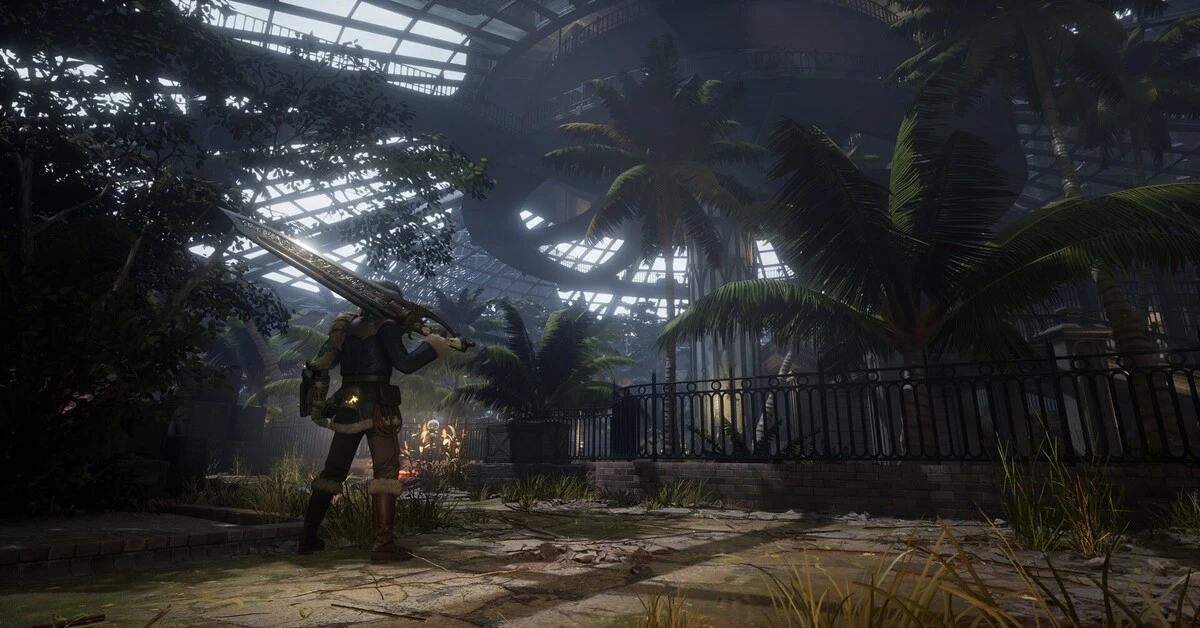
Lies of P could have easily come across as a bizarre joke. A dark Soulslike about Pinocchio initially sounds like an idea that stands out more for its absurdity than true substance. Yet, the exact opposite occurred. Neowiz and Round8 did not create a cheap fairytale remake from the familiar source material; they crafted a standalone action RPG about lies, humanity, obedience, and the fine line between machine and soul. Krat is more than just a pretty backdrop. The city feels like a lost dream built of steel, oil, and blood, where every street and boss fight demonstrates how far a civilization can fall.
It takes familiar Soulslike elements, combines them with precise timing, unique weapon systems, emotional characters, and a world that lingers in your mind. With Overture and the franchise’s immense success, Lies of P no longer feels like an isolated experiment, but rather the beginning of something much larger. It is familiar enough for fans of the genre, but bold enough to forge its own identity. Pinocchio did not become a real boy, but perhaps something even more thrilling: a modern Soulslike fairytale that proves just how much life can reside within a broken puppet.
Hey, I’m Kilian, but online you’ll probably know me as “Tux1243.” I've been part of the team for almost two years now, always trying to keep you in the loop with the latest and coolest gaming news. I also have a huge passion for doing deep dives and detailed analyses of entire game series and franchises. I love getting to the bottom of things and exploring the little details and backstories that make game worlds so fascinating.
Download the Allkeyshop Browser Extension Free
For all the latest video game news, trailers, and best deals, make sure to bookmark us.
You can find all the best and cheapest online deals on CD keys, game codes, gift cards, and antivirus software from the verified CD key sellers on our store pages.
To not miss any news on Allkeyshop, subscribe on
Google News
.
MORE RELEVANT ARTICLES




Comments (113)
Lies of p was such surprise when released, this one for sure will not disappoint
I’ve never played Lies of P, but after reading this, it sounds way deeper than I expected. Using Pinocchio in such a dark and intense world is a really creative idea.
The story of Lies of P and its roots in Pinocchio feel a little silly, but the serious tone it is delivered with helps it feel genuine and sincere despite that.
Haydehoo! This is the ultimate praise for a non-FromSoftware Soulslike. Many games try to copy the formula and fail because they don't understand why it works. Lies of P understood the homework perfectly. Puppets rule!
It looks addictive, just waiting for a good deal. And obviously, I'm going to play it without reading any reviews.